Top 10 Office Interior Design Tips for a Productive Workspace?
Creating an effective workspace is essential for productivity. Office interior design plays a critical role in enhancing the working environment. A well-designed office can inspire creativity and focus. When we think about office interior design, we often overlook essential elements.
Colors, layout, and furniture impact mood and efficiency. For example, bright colors can stimulate energy, while neutral tones promote calmness. Choosing the right furniture can support posture and comfort. However, achieving a balance between functionality and aesthetics can be challenging.
Many companies struggle with maximizing space effectively. Clutter can lead to distractions. It’s important to reflect on how each element in the office interior design contributes to overall functionality. Minor adjustments can significantly improve the atmosphere. Paying attention to these details ensures a workspace that not only looks good but also enhances productivity.
Essential Elements of Office Interior Design for Productivity
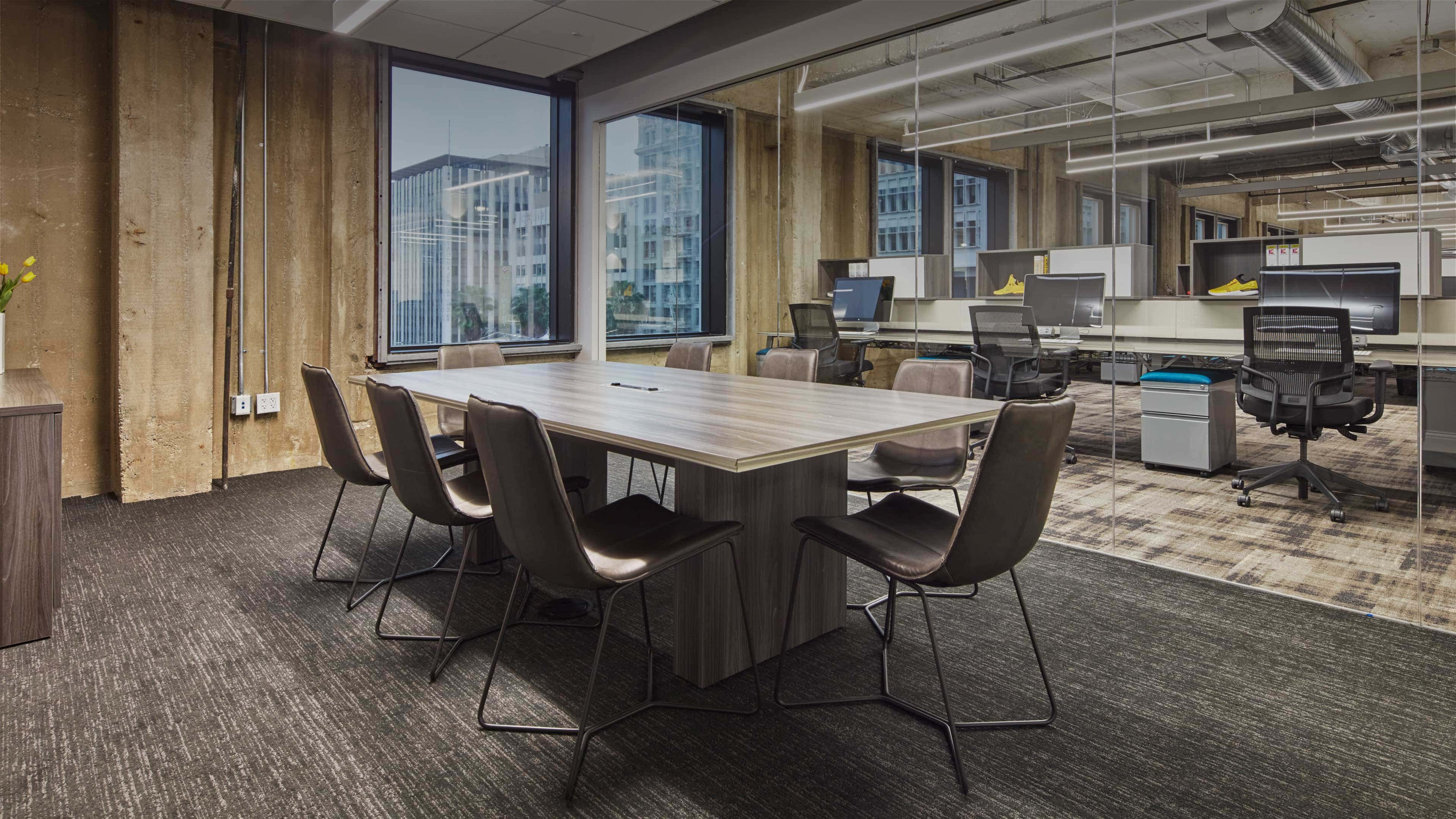
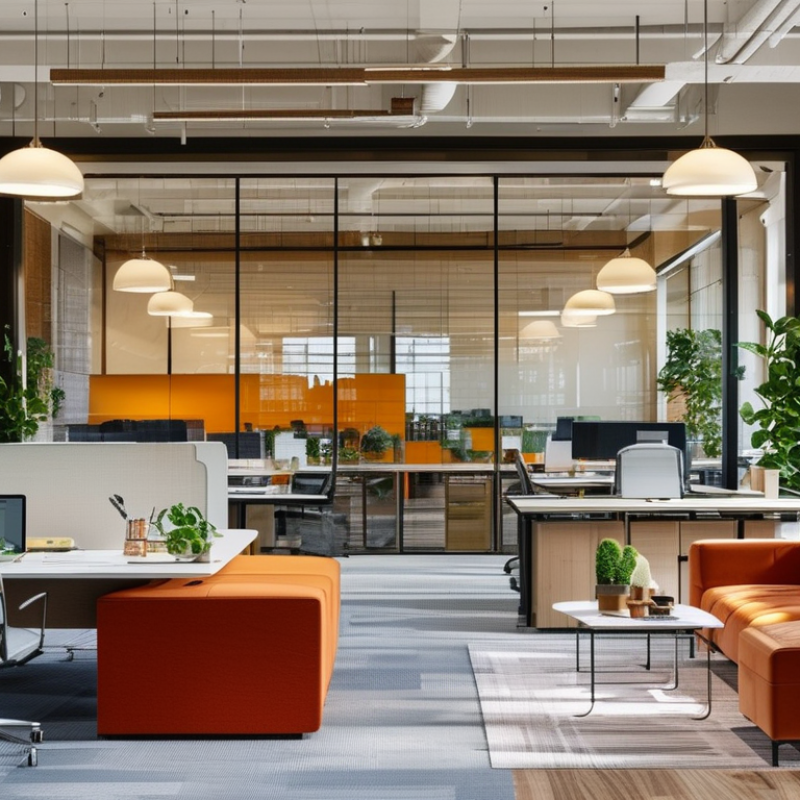
Creating a productive workspace goes beyond aesthetics. It is about utilizing essential design elements. The layout of an office should encourage collaboration. Open spaces combined with cozy nooks can foster creativity. Acoustics play a vital role too. Soft furnishings help absorb sound, creating a calmer environment. However, striking the right balance is tricky; too much noise can be distracting.
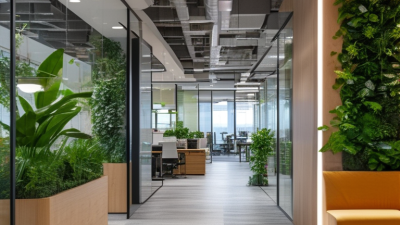
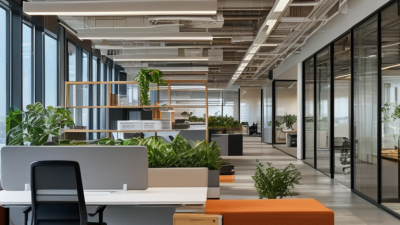
Lighting is another crucial factor. A mix of natural and artificial light enhances mood and focus. Plants add life and improve air quality. They can also serve as natural dividers. But too many plants can make a space feel cluttered. It’s essential to find a middle ground. Color schemes matter, too. Soft, neutral tones generally promote calmness. Yet, a splash of brighter colors can stimulate energy.
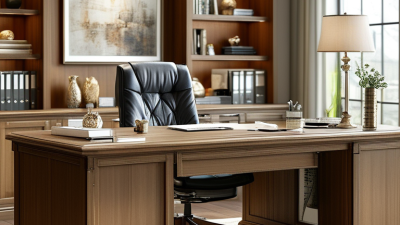
Furniture choice impacts comfort and productivity. Ergonomic chairs and desks are fundamental. They prevent strain during long hours. Yet, having too much furniture can hinder movement. Flexibility is key. Spaces should adapt to different tasks. A rigid layout might stifle innovation. Reflecting on these aspects is necessary. Designing an efficient workspace involves constant adjustments.
Choosing the Right Color Palette to Enhance Focus and Creativity
Choosing the right color palette is crucial for a productive workspace. Colors influence mood and focus, affecting creativity and productivity. For instance, blue hues can invoke calmness and concentration. Green shades connect workers with nature, promoting freshness and balance. However, too much of any color can be overwhelming. It’s important to find the right balance.
Consider adding accents to your design. Bright colors can stimulate energy, sparking creativity. Adding small bursts of yellow or orange may invigorate a dull environment. Yet, too many vibrant colors might distract. For a cohesive look, integrate these pops of color with a neutral base. This balance can create an inviting yet focused atmosphere.
Lighting plays a pivotal role. Natural light enhances the effects of color, boosting overall well-being. When possible, maximize windows to increase daylight. If that's not feasible, opt for adjustable artificial lighting to mimic the sun. Remember, the workspace should evoke a sense of comfort and inspiration, even if it takes time to get there. Reflect on what colors resonate with you and your team, ensuring everyone feels at ease and engaged.
Maximizing Space Through Smart Furniture Selection and Arrangement
When designing an office space, smart furniture selection and arrangement play crucial roles. Research shows that an organized workspace can boost productivity by up to 30%. The layout impacts focus, collaboration, and overall job satisfaction. Choosing multifunctional furniture maximizes space effectively. For example, desks with built-in storage can reduce clutter. This not only saves space but also enhances workflow.
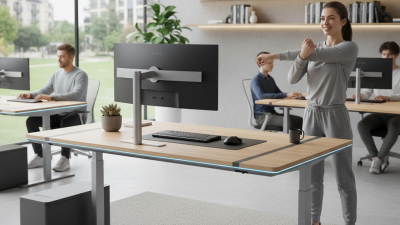
Ergonomics must not be overlooked. Many employees experience discomfort due to poorly designed furniture. Statistics indicate that up to 80% of workers report back pain. Investing in adjustable desks and supportive chairs can mitigate these issues. In smaller offices, consider flexible layouts that allow easy reconfiguration. This encourages movement and can stimulate creativity.
Natural light also influences productivity. Positioning desks near windows harnesses daylight, which has been linked to improved mood and energy levels. However, not all spaces benefit equally from this arrangement. A poorly placed desk can create glare and distractions. Regular evaluation and adjustment of furniture placement are essential for maintaining an effective workspace. Even small changes can lead to significant improvements in employee satisfaction and performance.
Integrating Natural Light and Biophilic Design Elements
Natural light can significantly enhance workplace productivity. Designing spaces that maximize sunlight exposure is essential. Large windows can fill an office with natural light, creating an uplifting atmosphere. Consider open layouts that allow light to flow freely throughout. Adding mirrors can further amplify this effect, making spaces feel larger and brighter.
Integrating biophilic design elements can also improve employee well-being. Incorporating plants brings life into the office. Indoor greenery not only purifies the air but can also reduce stress levels. Choose low-maintenance options like snake plants or pothos for easy care. Natural materials, such as wood and stone, can create a calming environment.
A well-thought-out color palette is crucial, too. Soft, neutral tones can complement natural light beautifully. These colors can help reduce distractions and keep employees focused. However, too much white can feel sterile. Adding pops of color through art or furniture can stimulate creativity without overwhelming the senses. Balancing these elements takes practice and reflection to achieve the ideal workspace.
Creating Collaborative Areas to Foster Teamwork and Communication
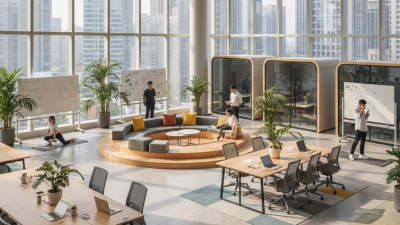
Creating collaborative areas within an office can significantly enhance teamwork and communication. Open spaces encourage interaction and foster relationships among team members. Incorporating comfortable seating, whiteboards, and informal meeting spots can inspire spontaneous discussions. Natural light and greenery can also improve the ambiance, making employees feel more connected.
One crucial aspect is to design multifunctional spaces. These areas can serve as meeting rooms, lounges, or brainstorming zones. Flexibility in furniture arrangement supports various group sizes and activities. Implementing acoustic panels may help reduce noise, allowing for focused work and relaxed conversation. Such thoughtful adjustments can make all the difference.
Regularly assessing these collaborative spaces is essential. Gathering feedback from employees helps identify what works and what doesn’t. Not everyone may feel comfortable sharing ideas in large groups. Thus, creating smaller breakout areas could be beneficial. Balancing personal space with collaboration is key to a productive environment. A well-planned layout can lead to increased creativity and innovation within teams.
Top 10 Office Interior Design Tips for a Productive Workspace