

The Best Trends in Commercial Office Interiors for Today?

The landscape of commercial office interiors is evolving. Businesses are now prioritizing employee well-being and collaboration. Innovative designs are becoming essential.

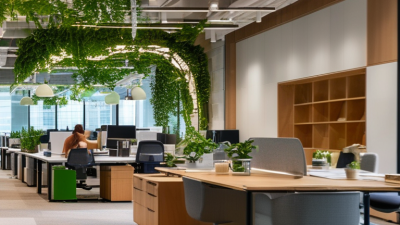
Today's workplaces focus on flexibility and comfort. Open spaces encourage communication. Biophilic designs bring nature indoors, enhancing productivity. Color and texture play key roles in creating inviting atmospheres.

However, not every trend suits every company. Some struggle to adapt to new layouts. Balancing aesthetics with functionality is vital. Organizations must reflect on their unique needs. The right approach can transform a monotonous office into a vibrant hub.
The Best Trends in Commercial Office Interiors for Today?

Key Characteristics of Modern Commercial Office Interiors

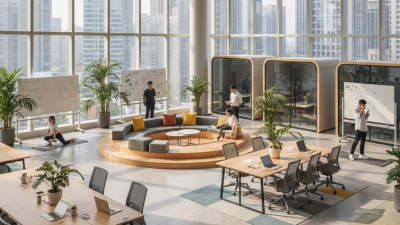
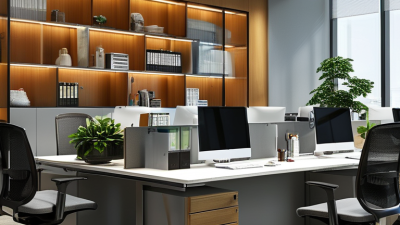
Modern commercial office interiors prioritize flexibility and collaboration. Open layouts encourage teamwork and communication among employees. These spaces often feature movable furniture, allowing for quick reconfigurations based on team needs. The use of multi-functional areas also supports different work styles, from quiet zones to active meeting spots.

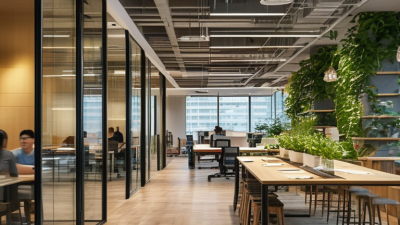
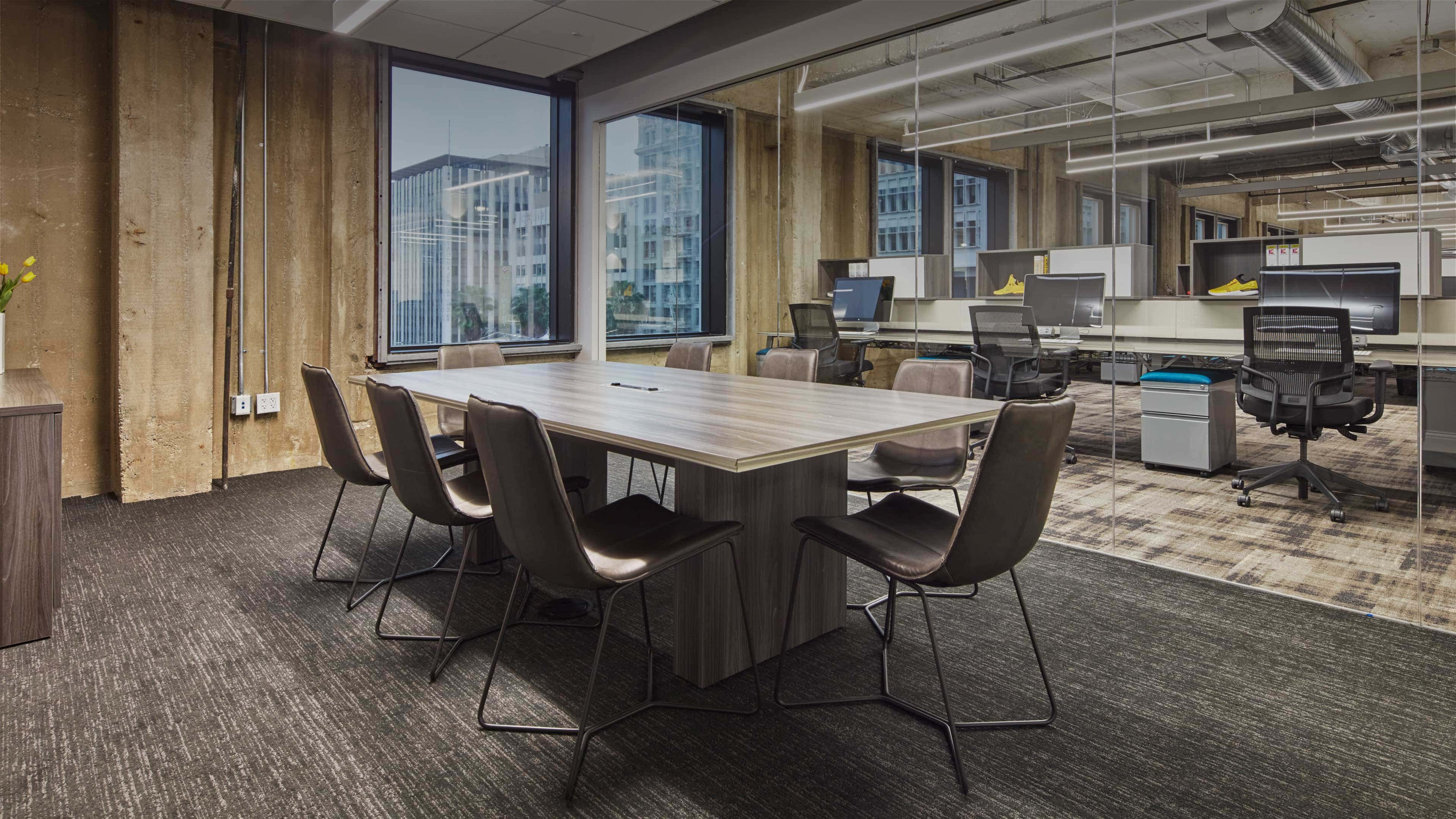
Natural light plays a vital role in contemporary design. Large windows and glass partitions enhance brightness and well-being. Plants and greenery further contribute to a healthier atmosphere. However, achieving the right balance between open and private spaces remains a challenge. Some employees may feel exposed in an entirely open setting, leading to distractions and decreased productivity.

Sustainability continues to be a key focus. Eco-friendly materials and energy-efficient systems are increasingly common. This trend reflects a growing awareness of environmental responsibility. Yet, sourcing sustainable materials can sometimes compromise design aesthetics. Striking a balance between beauty and sustainability requires thoughtful planning and innovative solutions.

Sustainable Materials and Eco-Friendly Design in Office Spaces

In today's commercial office interiors, the focus on sustainable materials and eco-friendly design has surged. Companies are increasingly aware of their environmental impact. They seek solutions that not only enhance aesthetics but also promote health. Natural materials, such as reclaimed wood and bamboo, are making a bold statement. These choices reduce carbon footprints and create a warm, inviting atmosphere.

Recycled materials are also gaining traction. Designers incorporate them into furniture and decor. This practice fosters an eco-conscious mindset among employees. It leads to a workspace that reflects values. Yet, the challenge remains. Balancing aesthetics with sustainability can be complex. Often, the most sustainable options don’t align perfectly with popular design trends.

Moreover, the sourcing of sustainable materials raises questions. Are they truly eco-friendly? Are the suppliers transparent in their practices? As businesses navigate these waters, they must prioritize reliable sources. Engaging with local artisans can reduce transportation emissions. It connects spaces to their communities, grounding the design in local culture. Overall, adopting sustainable practices is an evolving journey, filled with both progress and room for improvement.

Flexible Workspaces: Collaborative Areas vs. Private Zones

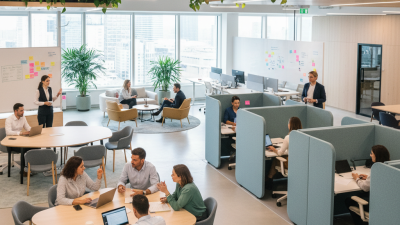
Flexible workspaces are rapidly gaining traction in today’s commercial interiors. Companies aim to foster collaboration while maintaining privacy. The tension between open areas and secluded zones is central to this trend.

Collaborative areas encourage teamwork. These vibrant spaces often feature casual seating and interactive tools. Employees can brainstorm freely, promoting innovation. However, the noise and distractions can hinder focus. Some may feel overwhelmed in high-traffic zones.

Private zones offer a solution. These areas provide quiet spaces for deep work. They often include soundproof booths or individual offices. Yet, the challenge is balancing the availability of these spaces. If private zones are limited, frustration may arise. Employers must thoughtfully design a workspace that accommodates diverse working styles.

Incorporating Technology in Office Design for Enhanced Productivity

In today's fast-paced work environment, technology plays a crucial role in office design. Innovative tools and software can enhance communication and collaboration among employees. Interactive whiteboards and video conferencing systems facilitate real-time discussions, making remote teamwork seamless. Employees often find it easier to express ideas when technology is integrated into their workspace.

Smart lighting and climate control systems can improve the overall atmosphere. These solutions adjust automatically based on individual preferences. However, technology can sometimes complicate simple tasks, leading to frustration. Balancing high-tech features with user-friendly interfaces is essential for success. Ensuring all staff members are comfortable with the technology will boost overall productivity.

Incorporating biophilic design with technology also creates a more inviting atmosphere. Natural elements reduce stress and improve focus. Yet, maintaining this balance can be challenging. Office designers must constantly evaluate how tech impacts employee well-being. It’s vital to adapt and refine these strategies to meet evolving needs while fostering a productive environment.

The Best Trends in Commercial Office Interiors for Today?

Trend Description Benefits Technology Used
Biophilic Design Incorporating natural elements like plants and natural light in office design. Enhances employee well-being and reduces stress. Natural lighting systems, living walls.
Flexible Workspaces Designs that allow for changing work environments and collaborative spaces. Increases collaboration and accommodates varying work styles. Workplace management software, modular furniture.
Smart Technology Integration Use of IoT devices and smart technology for operational efficiency. Streamlines processes and enhances productivity. Smart lighting, temperature control systems.
Sustainable Materials Use of eco-friendly materials in office construction and design. Reduces carbon footprint and promotes sustainability. Recycled materials, low-VOC paints.
Remote Collaboration Tools Technologies that support remote work and hybrid teams. Fosters teamwork and communication across distances. Video conferencing software, collaborative platforms.

The Role of Biophilic Design in Creating Healthier Work Environments

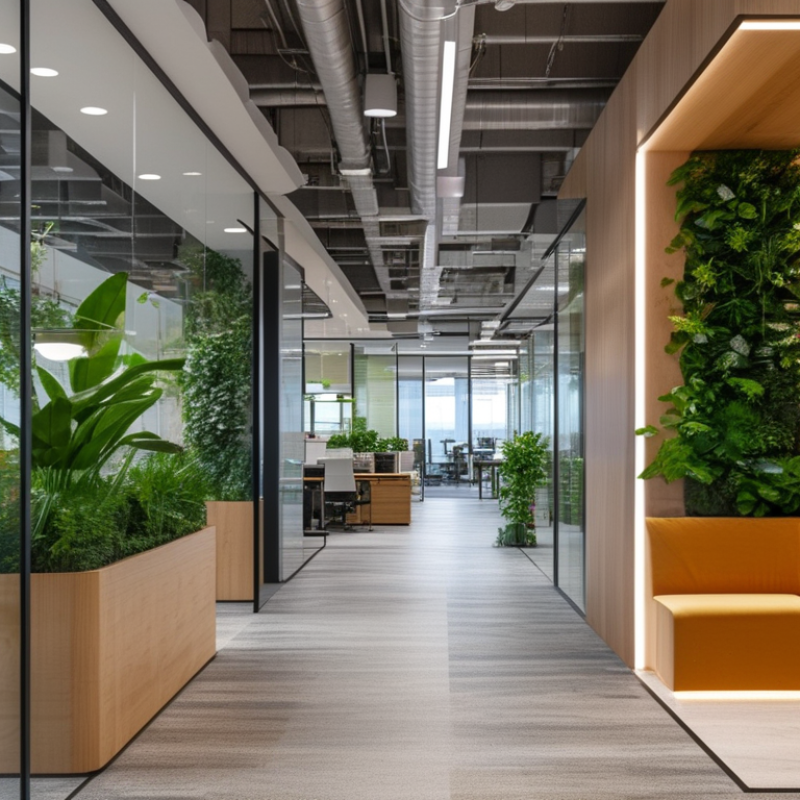
Biophilic design is transforming commercial office interiors. This approach integrates natural elements to improve well-being. Research shows that workplaces with biophilic features can increase productivity by 15%. Employees report feeling happier and more engaged in environments that mimic nature. Elements like indoor plants, natural light, and materials that evoke the outdoors play a significant role in fostering a healthier atmosphere.

The growing recognition of biophilic design is backed by data from the Global Wellness Institute. Their reports indicate that 94% of workers believe that their environment affects their health. Spaces that prioritize natural aesthetics not only boost morale but also reduce stress. A study cited by the American Psychological Association reveals that exposure to natural elements can decrease anxiety by up to 30%. Such statistics emphasize the need for thoughtful design in modern offices.

Despite its benefits, not all companies adopt biophilic principles. The challenge often lies in budget constraints and lack of understanding. While many recognize the advantages, implementing these changes can be daunting. Acknowledging these hurdles is crucial for future advancements in office space design. It invites continuous conversation about creating healthier work environments through biophilic strategies.