Top 10 Collaborative Office Design Trends in China Today?
In recent years, collaborative office design has gained immense popularity in China. This trend reflects a broader shift towards teamwork and innovation in the workplace. Modern companies recognize the importance of creating spaces that foster interaction and creativity among employees. These innovative designs aim to break down barriers and promote a sense of community.
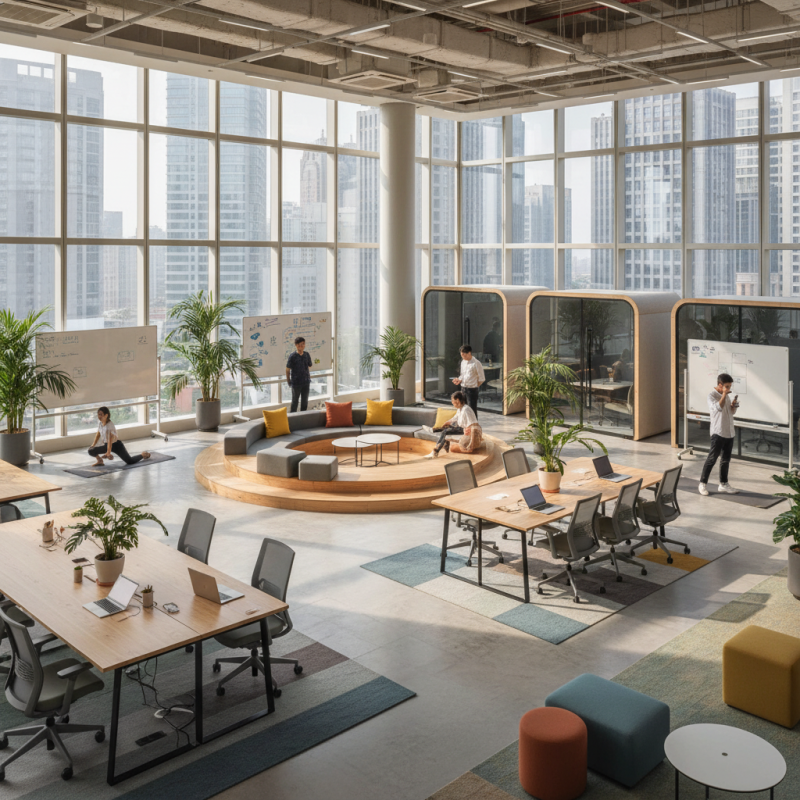
Many office spaces now feature open layouts with flexible workstations. These setups encourage spontaneous conversations and collaborative efforts. Additionally, biophilic elements like plants and natural light are increasingly incorporated. Such features not only enhance aesthetics but also improve employee well-being. However, this approach is not without challenges. Open designs can lead to noise distractions and reduced privacy. Companies must carefully balance openness with the need for quiet spaces.
As we explore the top collaborative office design trends in China today, it’s essential to reflect on their impact. Are these designs truly serving their intended purpose? The evolution of office spaces continues to invite scrutiny and innovation. Understanding these trends is crucial for creating environments that genuinely support collaboration and productivity.
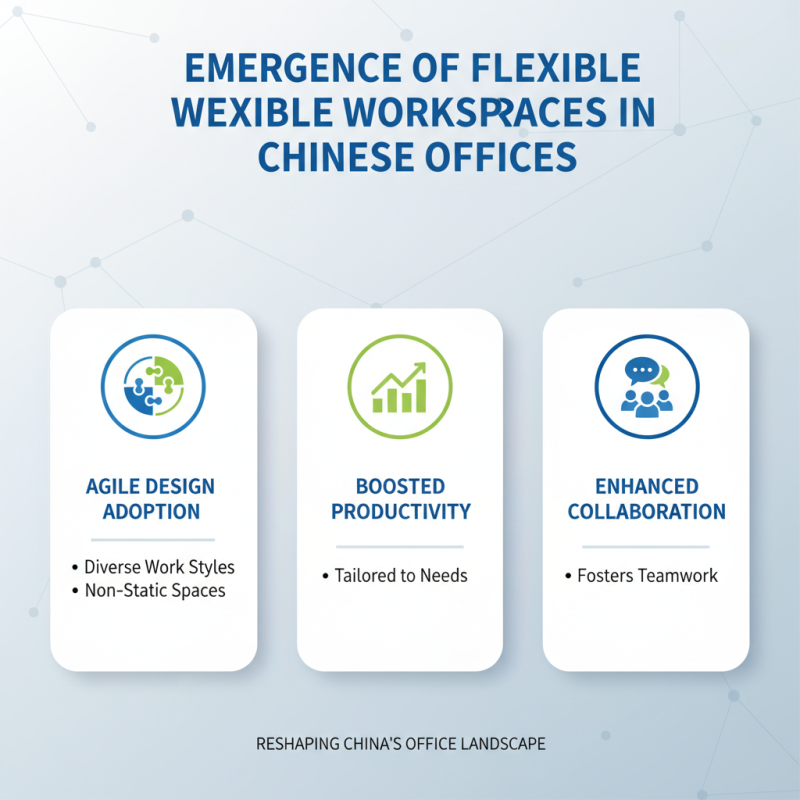
Emergence of Flexible Workspaces in Chinese Offices
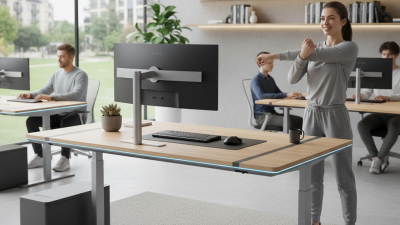
Flexible workspaces are reshaping the office landscape in China. Companies are increasingly adopting agile designs that cater to diverse work styles. This shift not only boosts productivity but also fosters collaboration among employees. Spaces are no longer static; they evolve with the needs of the workforce.
These innovative designs prioritize adaptability. Open layouts feature movable furniture, allowing for quick reconfigurations. Some areas are dedicated to quiet work, while others encourage team brainstorming. However, creating the perfect balance is challenging. Not all employees thrive in open environments. Some require solitude to focus.
Sustainability is also a growing concern. Many offices now incorporate natural elements and eco-friendly materials. This enhances well-being and promotes a connection to nature. Yet, achieving an ideal workspace that meets all demands remains a work in progress. Striking a balance between flexibility and comfort requires ongoing adjustments and feedback.
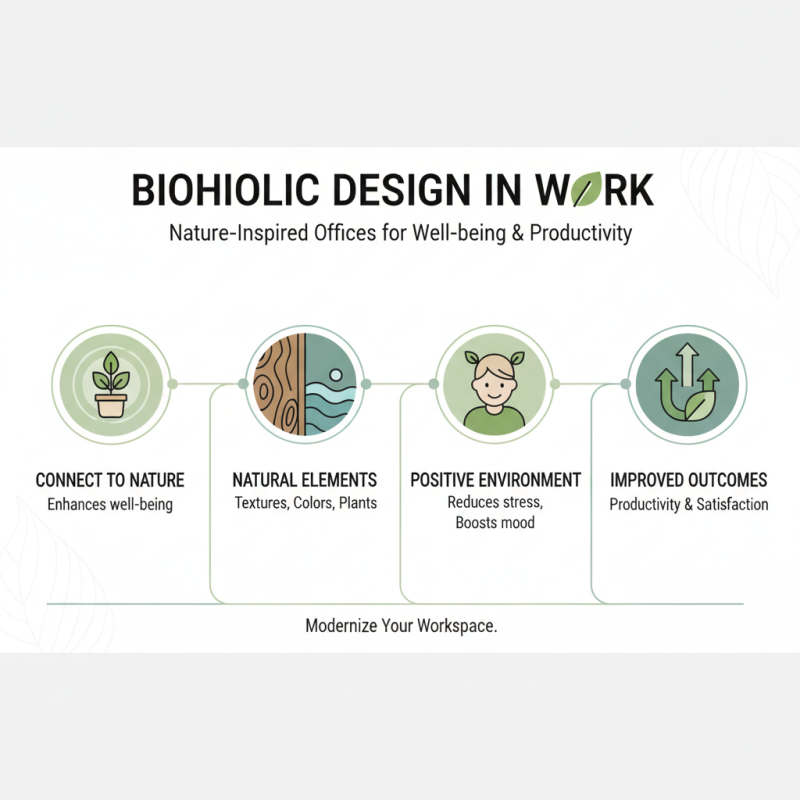
Integration of Biophilic Design Elements in Work Environments
In modern office design, biophilic elements play a crucial role. These features aim to enhance employee well-being through a connection to nature. Incorporating natural textures, colors, and plants creates a positive environment. This approach leads to increased productivity and satisfaction.
Open spaces with natural light are favored in many Chinese offices. Large windows allow sunlight to flood in, reducing reliance on artificial lighting. Design elements like indoor gardens or water features can create a soothing atmosphere. These aspects invite employees to pause and reflect, fostering creativity. However, balancing open areas and privacy remains a challenge.
Integrating biophilic design is not without complications. Space constraints in urban settings often limit the use of natural elements. Some employees may find excessive greenery distracting rather than calming. Meeting diverse needs requires careful planning and thoughtful execution. Achieving a harmonious workplace that values both nature and functionality is a work in progress.
Use of Technology to Enhance Collaboration in Workspaces
The rise of technology in office design is reshaping collaboration in Chinese workplaces. A 2022 report by the China Marketing Research Group indicates that over 70% of employees prefer tech-enhanced environments. Tools like video conferencing, instant messaging, and collaboration platforms are becoming staples. These technologies enable seamless communication, especially in remote and hybrid working scenarios.
Moreover, integrating smart office technologies can lead to greater efficiency. For instance, data from the Beijing Institute of Architecture shows that incorporating interactive screens can reduce meeting times by 30%. However, reliance on technology presents challenges. Employees may feel overwhelmed by constant notifications, leading to burnout. Balancing technology use remains crucial for fostering a collaborative atmosphere.
Effective design also considers the layout of collaborative spaces. Reports show that open-plan offices can boost teamwork but may cause distractions. Designing flexible spaces with quiet zones can help mitigate noise. Thus, while technology enhances collaboration, thoughtful design must address the human elements of work.
Adoption of Open Floor Plans for Improved Team Interaction
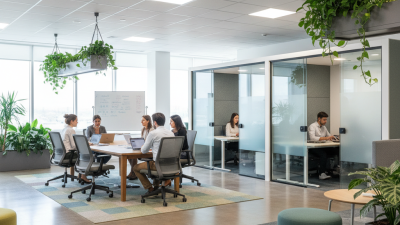
Open floor plans are transforming workplaces across China, enhancing teamwork and communication. This design encourages spontaneous interactions, breaking down barriers. Employees can collaborate more efficiently, sparking creativity in shared spaces. The absence of cubicles fosters a sense of community. However, privacy concerns may arise. Not everyone thrives in an open environment.
Tips for Implementing Open Floor Plans:
1. Consider balance. Introduce quiet zones for focused work.
2. Encourage decor personalization. This helps employees feel more connected.
The layout must account for noise and distractions. Not every employee feels comfortable in open spaces. Team dynamics vary, and some prefer solitude to think clearly. Therefore, a blend of open and private areas is essential. Listening to employee feedback can guide improvements. Regular surveys may help refine the design to meet everyone's needs.
Focus on Employee Well-Being in Office Design Trends
In recent years, the focus on employee well-being has dramatically influenced office design trends in China. Spaces now prioritize natural light. Large windows and open layouts create a sense of openness. Plants and green walls bring nature indoors, boosting mood and productivity. Collaborative areas promote team interaction, yet often overlook personal zones. It’s important to balance both.
Soundproof pods are gaining popularity, allowing for private conversations without disruption. However, these can create isolation if overused. Flexible workspaces cater to various needs, but sometimes result in chaotic environments. Employees thrive in areas designed for comfort. Cozy seating and relaxing nooks can enhance mental health.
Artists and designers contribute their insights to office aesthetics. Their involvement adds creativity, yet it can also lead to impractical designs. The challenge is to merge functionality with style. Incorporating personal elements can foster a sense of belonging. Employee feedback is essential, but gathering it effectively remains a struggle. Striving for a harmonious balance in design is key to long-term success.
Top 10 Collaborative Office Design Trends in China
This bar chart illustrates the current trends in collaborative office design in China, focusing on employee well-being. Each trend is represented by its popularity percentage, showing how companies are prioritizing various aspects of office environments to foster better employee experiences.