How Does Workplace Productivity Design Impact Business Success?
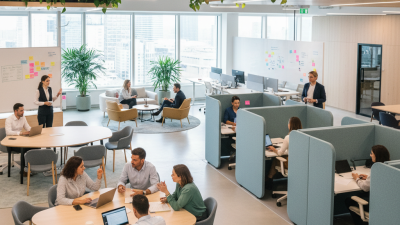
In today's fast-paced business environment, achieving success hinges on various factors, with "workplace productivity design" taking center stage. Companies are recognizing that the layout, aesthetics, and functionality of workspaces significantly influence employee performance. A well-designed workplace can boost morale, foster collaboration, and streamline operations. When workers feel comfortable, they tend to be more engaged and productive.
However, many organizations overlook key elements of workplace productivity design. They often focus solely on cost-cutting measures, compromising the quality of the work environment. For instance, open-plan offices are trendy, but they may not suit all team dynamics. Such environments can lead to distractions and hinder focus, thus reducing overall productivity.
To grasp the full impact of workplace productivity design on success, companies must consider their specific needs. Are employees well-supported? Is there an appropriate balance between collaboration and privacy? These questions require reflection and careful planning. Only by understanding these intricate relationships can businesses create spaces that not only enhance productivity but also drive success.
Understanding Workplace Productivity Design: An Overview
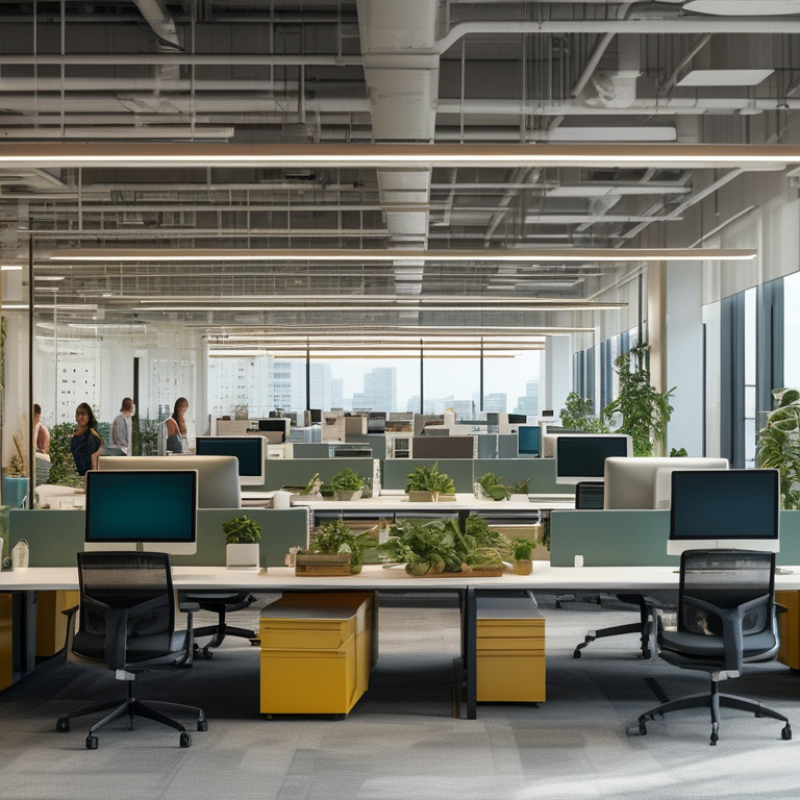
Workplace productivity design plays a crucial role in a company's success. An effective design should foster collaboration and creativity. Consider the layout of an office. Open spaces can encourage brainstorming, but they may also lead to distractions. It's a delicate balance businesses must navigate.
Companies often overlook the importance of lighting and comfort. Natural light boosts morale and energy levels, while ergonomic furniture prevents fatigue. However, not every design choice suits every business. Some environments may require quiet zones for focused work, while others thrive on vibrant, interactive spaces.
Employee feedback is essential in this process. What works for one team may not work for another. The pressure to implement a perfect design can lead to hasty decisions. Continuous evaluation and adaptability in design can lead to better long-term outcomes, ensuring that the workspace evolves with the team.
Key Elements of Effective Workplace Design for Productivity
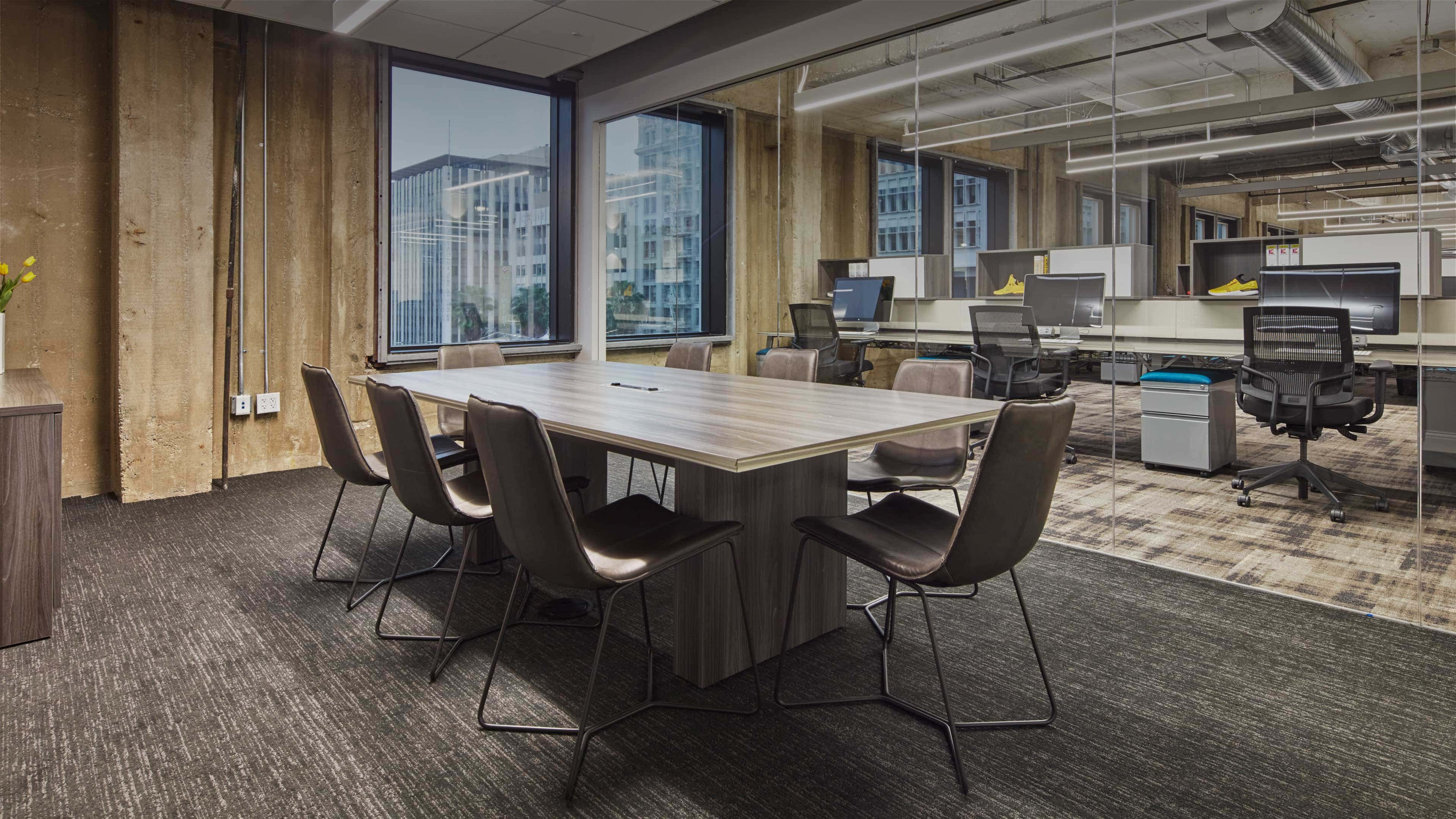
Effective workplace design plays a critical role in boosting productivity. One key element is creating an open layout. Open spaces foster communication and collaboration among team members. However, this design can also lead to distractions. It is a balancing act to achieve both openness and focus in the workspace.
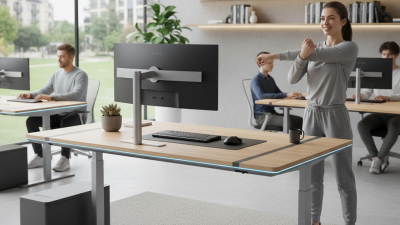
Another crucial aspect is the incorporation of ergonomic furniture. Chairs and desks designed for comfort can reduce strain and fatigue. Employees who feel physically comfortable tend to be more engaged and productive. Yet, companies must also consider that not all employees prefer the same setup. Flexibility in seating arrangements can accommodate diverse needs.
Lighting is often overlooked in workplace design. Natural light can enhance mood and energy levels. Artificial lighting should mimic daylight to prevent fatigue. However, if not managed well, it can also cause glare and discomfort. Solutions must be tailored to specific areas and adapt to different tasks. These elements together create an environment that supports productivity while recognizing the unique needs of individuals.
The Relationship Between Workplace Design and Employee Performance
Workplace design significantly influences employee performance. Research indicates that effective workspace layouts can boost productivity by up to 20%. A study by the Harvard Business Review highlighted that employees with access to natural light experience a 20% increase in overall well-being. This improved atmosphere allows for better focus and creativity.
Flexible workspaces enhance collaboration and communication. In open-plan offices, workers report a 32% rise in knowledge sharing. However, it's vital to balance open areas with private spaces. Too much openness can lead to distractions. A report from Gensler revealed that employees value quiet spaces for deep work, showing that not all areas should be communal.
Employers often overlook the mental impact of design. A well-designed space can reduce stress and increase job satisfaction. Companies that invest in ergonomic furniture and aesthetic elements see a reduction in absenteeism by nearly 25%. Yet, some firms still prioritize cost over design quality. This mindset can ultimately hinder long-term success and employee retention.
How Workplace Design Affects Employee Performance
This chart illustrates the impact of different workplace designs on employee performance scores, highlighting how environmental factors can significantly influence productivity in business settings.
Case Studies: Successful Business Outcomes from Productivity-Driven Design
In recent years, several studies have highlighted the link between productivity-driven design and business success. For instance, a report from the American Society of Interior Designers reveals that well-designed workplaces can boost employee productivity by up to 20%. Companies investing in ergonomic furniture, flexible workspaces, and natural lighting often see significant improvements in both employee satisfaction and output.
Consider a tech firm that revamped its office layout. They shifted from cubicles to open spaces filled with greenery. This change led to a noticeable 15% increase in productivity metrics over six months. Employees reported feeling less stressed and more engaged at work. However, such transformations are not without challenges. Not all employees adapt well to open environments, which may lead to distractions. Balancing open designs with private areas is crucial for diverse work styles.
Tips for optimizing workplace design include seeking employee feedback on space usage. Engaging staff in the design process fosters a sense of ownership. Implementing quiet zones can also address concentration needs. Many firms overlook the importance of acoustics, which can drastically affect performance. Regularly assessing the work environment ensures it evolves alongside employee needs and industry trends. Adapting design strategies can ultimately drive success and cultivate a thriving workplace culture.
Future Trends in Workplace Design and Their Impact on Business Success
The future of workplace design is increasingly crucial for business success. According to a report by Global Workplace Analytics, remote work can boost employee productivity by 13%. This shift necessitates innovative design strategies that blend flexibility with collaboration. Open spaces encourage teamwork, but they can also lead to distractions. Balancing these elements is essential for optimizing productivity.
Companies are focusing on creating environments that promote mental well-being. Research from the Edge Research Institute shows that well-designed workplaces reduce employee stress levels by up to 32%. Integrating natural light and biophilic elements into designs enhances mood and energy. However, not all these design choices lead to positive outcomes. Some employees thrive in private spaces, and neglecting this can hinder performance.
The trend toward hybrid work is reshaping how businesses think about design. Office spaces are evolving to be multifunctional, accommodating both collaboration and solitude. A study from Steelcase indicates that 82% of employees prefer a variety of work settings. Nonetheless, implementing these changes can be challenging. Businesses must consider their unique cultures and needs to avoid cookie-cutter solutions. Failing to address these nuances may lead to wasted resources and unhappy employees.