How to Choose the Best Private Office Furniture for Your Needs?
Choosing the right private office furniture is crucial for creating an effective workspace. It can significantly influence productivity, comfort, and organization. Many factors come into play when selecting private office furniture that suits your needs.
Consider your office layout and the type of work you do. A well-designed office involves more than just aesthetics. The right desk, chair, and storage solutions are essential for functionality. Look for ergonomic options that support long hours of work. Quality materials matter, too, as they ensure durability and better investment returns.
However, you might find options overwhelming. Different styles and prices can confuse your decision-making process. Seek help from design experts or read reliable reviews to gain insights. This choice is about more than just the looks; it’s about productivity and overall well-being in your work environment. Reflect on what works best for you, and remember, a well-furnished office can inspire creativity and efficiency.
Understanding Your Private Office Space Requirements
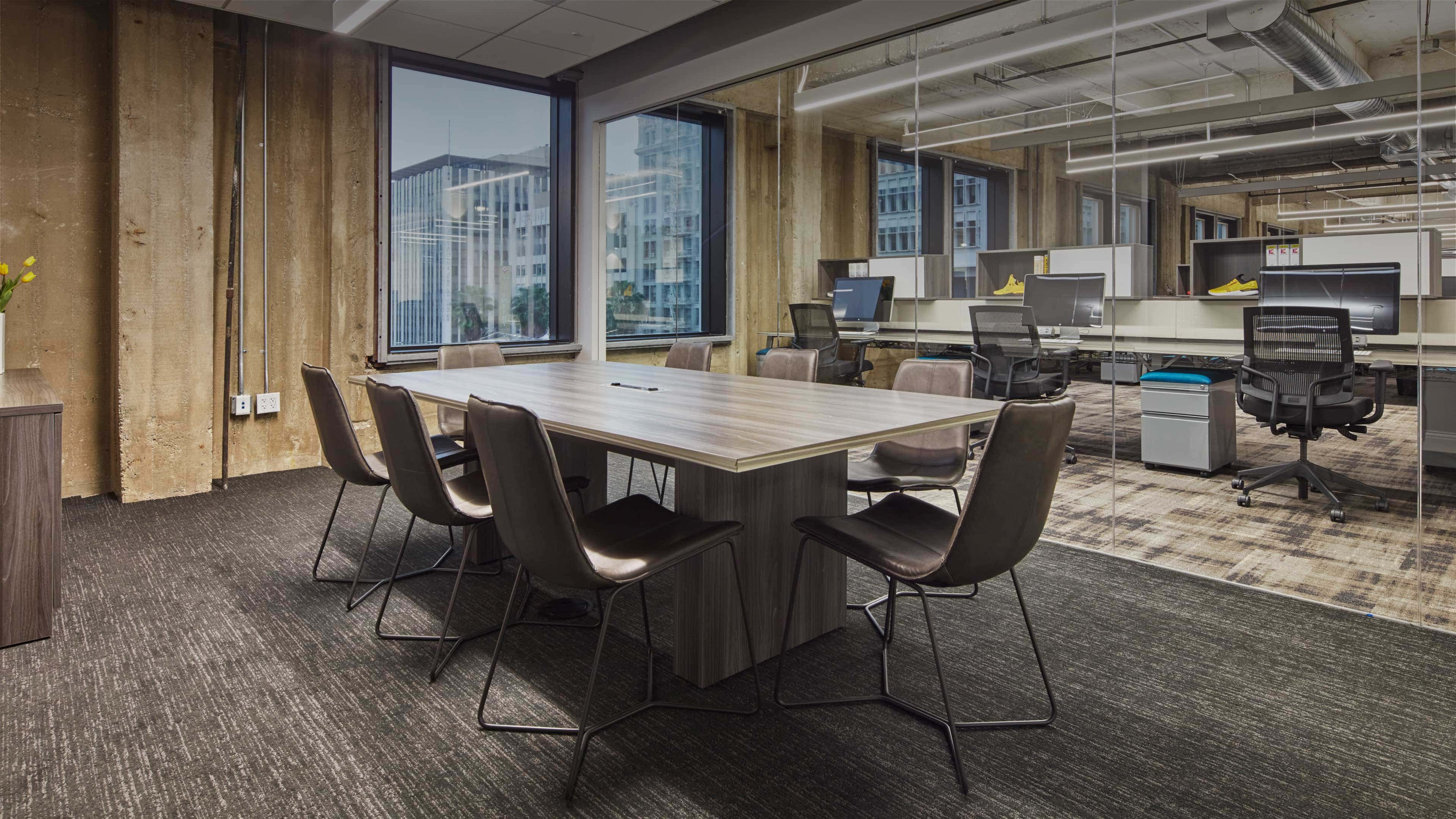
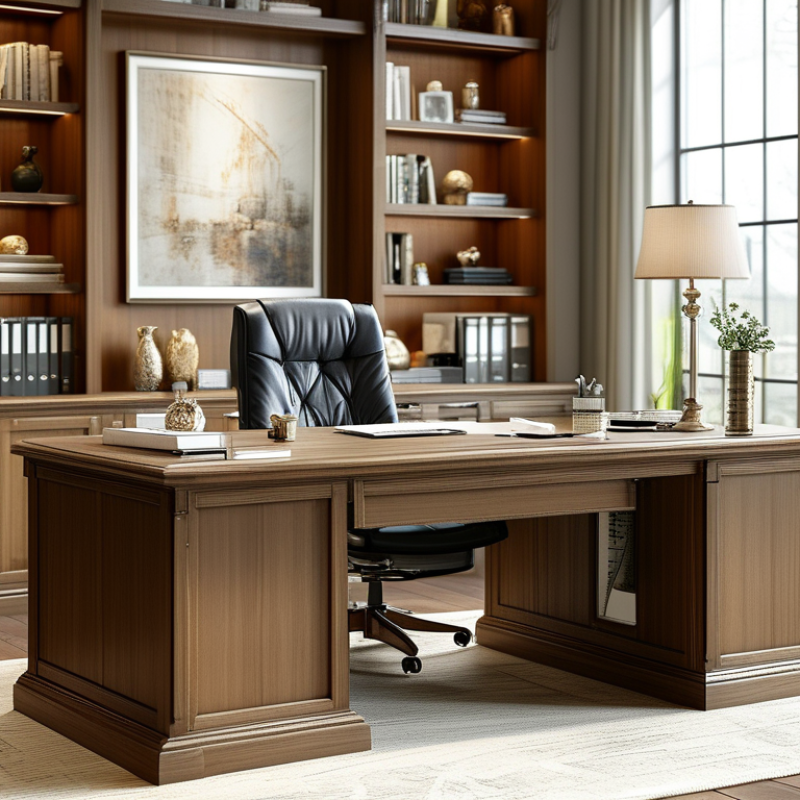
When selecting private office furniture, it’s essential to understand your space requirements. Start by measuring the area meticulously. An accurate measurement helps in visualizing how furniture will fit. Consider the layout of your office. Is it open, or does it have corners and alcoves? Distinct sections might require different types of furniture.
Think about your daily tasks. Do you spend most of the time at your desk? If so, invest in an ergonomic chair that supports your posture. The desk should have enough space for your computer, paperwork, and other essentials. But don’t overlook storage. Cabinets or shelves can reduce clutter, helping maintain a productive environment.
Lastly, consider comfort and aesthetics. The color and style of your furniture can influence your mood. A well-furnished office can promote creativity. However, balancing personal style and functionality is challenging. Not every design will suit everyone. Reflect on what inspires you as you make choices. You may need to adjust and adapt your decisions, so keep flexibility in mind.
How to Choose the Best Private Office Furniture for Your Needs?
| Furniture Type |
Material |
Ergonomics |
Size (L x W x H, cm) |
Price Range ($) |
| Office Desk |
Wood |
High |
150 x 75 x 75 |
300 - 600 |
| Ergonomic Chair |
Mesh |
Very High |
60 x 60 x 100 |
200 - 400 |
| Filing Cabinet |
Metal |
Medium |
80 x 40 x 120 |
150 - 300 |
| Meeting Table |
Glass |
High |
200 x 100 x 75 |
500 - 800 |
| Bookshelf |
Wood |
Medium |
90 x 30 x 180 |
100 - 200 |
Identifying Essential Furniture Types for Functionality
When selecting private office furniture, it's crucial to consider essential types based on functionality. A recent study by the Global Workplace Analytics reported that effective use of office space can increase productivity by up to 20%. This highlights the importance of choosing the right furniture that aligns with your work style and needs. Desks and chairs should promote comfort and support, as employees spend an average of 8-10 hours per day at their workstations.
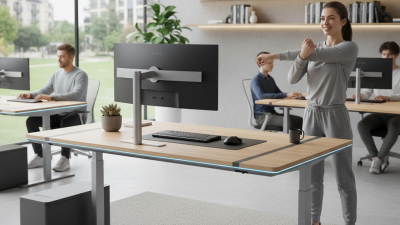
Ergonomic furniture is essential. Adjustable chairs and sit-stand desks can reduce discomfort and encourage movement. Research indicates that 54% of employees express dissatisfaction with their workspace due to poor ergonomics. Invest in solutions that enhance well-being and efficiency. Consider storage solutions, too. A clutter-free environment fosters focus and creativity.
Choosing the right furniture involves reflection on personal and team requirements. Some may require collaborative spaces, while others may prioritize privacy. Pay attention to the functionality of each piece. Focus on durability and flexibility, especially in rapidly changing work environments. Proper evaluations can lead to a more effective and enjoyable workplace.
Considering Ergonomics and Comfort in Your Choices
When selecting private office furniture, ergonomics and comfort are paramount. A well-designed workspace can significantly influence productivity and well-being. Consider the height of your desk. It should allow your arms to rest comfortably while typing. Chairs should support your lower back. Look for those with adjustable features to find the best fit.
The material used plays a crucial role too. Soft fabrics can increase comfort but may not be as durable. Hard surfaces are easier to clean but may be uncomfortable for long hours. Don't overlook the importance of lighting. Natural light can boost mood, while desk lamps should not cause eye strain.
It's essential to reflect on your daily tasks. Are you often moving around? You might need lightweight furniture. However, if you sit for long periods, invest in a quality chair. Sometimes, choosing the most stylish option can lead to discomfort in the long run. An effective workspace should balance aesthetics and ergonomic needs for a truly supportive environment.
Exploring Aesthetic Styles and Personal Branding
In today's competitive landscape, creating a personal brand through your workspace is essential. Aesthetic styles reflect your identity and can enhance productivity. According to a report from the American Institute of Architects, well-designed offices can boost employee engagement by up to 30%. This underlines the importance of selecting furniture that resonates with your personal brand.
Choosing the right colors and materials can influence the mood of your office. For example, warm tones stimulate creativity, while cool colors promote focus. Incorporate textures and shapes that speak to your style, whether it’s modern minimalism or rustic charm. Research shows that 75% of employees feel more productive in spaces that are visually pleasing.
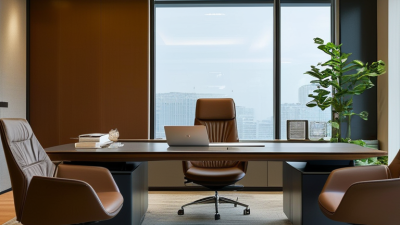
Consider these aspects when selecting furniture: prioritize comfort and functionality. Ergonomic chairs improve posture and reduce fatigue. Desks should provide ample space for your work without feeling cluttered. Pay attention to details like lighting, as it plays a vital role in creating an inviting atmosphere. Reflecting on your choices can lead to adjustments that enhance your personal space.
Choosing the Best Private Office Furniture: Aesthetic Styles and Personal Branding
Budgeting and Sourcing for Quality Office Furniture Options
Budgeting for office furniture requires careful planning. Start by determining your overall budget. Will you opt for new or used furniture? New items can be more expensive, but used options often provide value. Take time to compare prices online and at local stores. Sometimes, sales or clearance events can yield significant savings.
When sourcing quality office furniture, prioritize comfort and functionality. Look for ergonomic designs that promote health. Consider materials that are both durable and aesthetically pleasing. While it may be tempting to cut costs, investing in quality can improve productivity in the long run. Check reviews and request samples if possible to gauge comfort levels.
Reflect on your specific needs and workspace limitations. Not every piece will fit perfectly in your area. Measure your space carefully before making any purchases. This helps avoid costly returns. Think about the future too; will the furniture adapt to changing needs? A flexible approach often leads to more satisfactory outcomes.