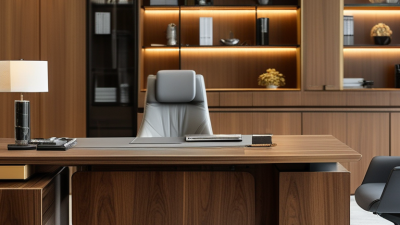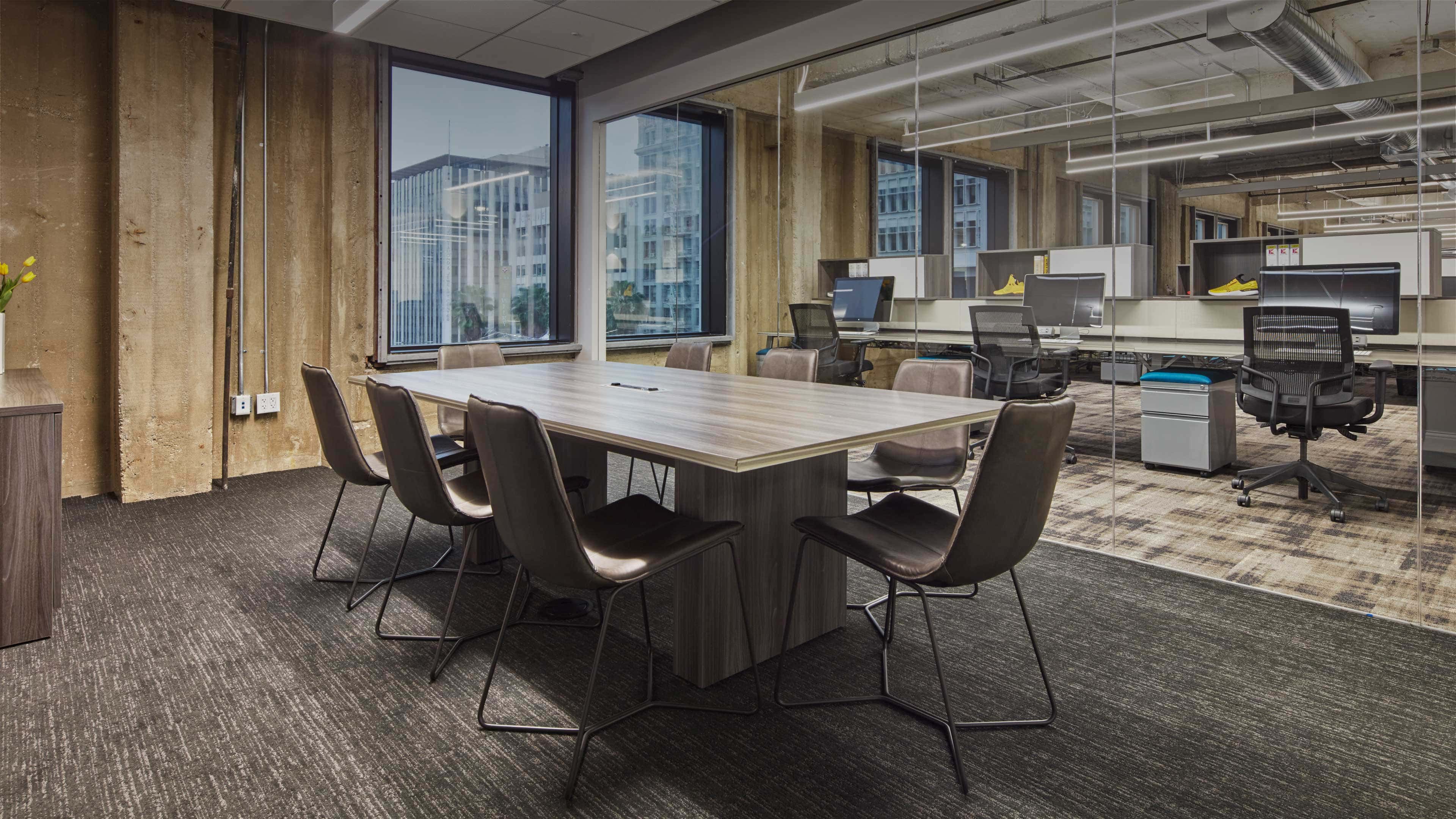


Top 10 Custom Office Furniture Manufacturers in China
Choosing custom office furniture from China involves more than comparing catalog photos and unit prices. A desk might look impressive online, yet arrive with uneven edges or poorly positioned cable outlets. Details matter. For buyers planning an office fit-out, those small differences affect installation time, daily comfort, and replacement costs. China offers a broad manufacturing base, but suppliers differ in engineering support, production consistency, and customization capabilities.
Furniture designer Charles Eames, whose work helped shape modern offices, famously said, “The details are not the details. They make the design.” That observation provides a useful lens for evaluating custom office furniture manufacturers. Look beyond finishes. Ask how each supplier handles desk dimensions, storage layouts, hardware selection, and access for electrical cables. Request material specifications, dimensioned drawings, and a physical sample before approving a large order. For adjustable desks, check the stated load capacity and the test documentation supporting it. A polished showroom alone cannot establish whether a factory will reproduce an approved sample consistently.
This guide examines ten manufacturers in China through practical purchasing considerations: customization scope, material options, quality controls, and delivery support. No supplier fits everyone. A factory suited to a large corporate headquarters may struggle with a small order requiring frequent design changes. Lower pricing can also conceal exclusions, including packaging upgrades, installation assistance, or replacement parts. Even a careful shortlist leaves uncertainties; samples and written specifications help reduce them. The goal is to help you identify manufacturers worth investigating and ask better questions before committing your budget.

China’s Office Furniture Industry: Export Data from UN Comtrade
UN Comtrade offers a useful starting point for examining China’s office furniture exports. Its trade records can show reported export values, quantities, destinations, and changes over time. For buyers comparing manufacturers, these figures add market context. They do not identify individual factories or prove a supplier’s production capacity.
Product classification matters. Office furniture may appear under different Harmonized System codes, including categories for wooden or metal furniture. Broader codes can include products beyond desks, filing cabinets, and workstations. That makes the data a useful indicator, not a precise count of custom office furniture shipments.
Not a perfect proxy.
A careful review should compare several years and check both China’s reported exports and partner countries’ mirror data. Values may differ because of reporting periods, valuation methods, or classification practices. Quantity figures also need caution: a desk and a cabinet are not equivalent units of output. A rising export value could reflect higher prices or a changing product mix, rather than more pieces shipped. These limits are easy to overlook. For a shortlist of Chinese manufacturers, trade data works best alongside factory audits, product specifications, and verified shipment records.
Selection Criteria: Production Capacity, R&D Spending and BIFMA Compliance
Choosing among China’s top custom office furniture manufacturers takes more than comparing catalogs. Production capacity should reflect real output, not just factory size. Ask how many workstations or storage units the facility can produce monthly, and whether that figure changes during peak seasons. Recent delivery records and a sample production schedule offer useful context. Capacity claims can be difficult to compare.
R&D spending matters when a project needs unusual dimensions, cable routing, or durable finishes. Look for an in-house engineering team, documented prototype revisions, and testing equipment. A polished showroom is not proof of technical depth. BIFMA compliance should be checked against the exact product category and model. Request current test reports, their issuing laboratory, and the standards covered. A certificate for one chair does not automatically validate an entire furniture range. This check is useful, not foolproof.
Tips: Compare three suppliers using the same specifications. Check lead times, material details, and test documents side by side. Ask who handles design changes after approval. Small discrepancies in finish samples can become obvious across a full office order.
Top 10 Custom Office Furniture Manufacturers in China: Selection Criteria
Suggested evaluation weights for comparing manufacturers by production capacity, R&D investment, and BIFMA compliance. These weights are a selection framework, not reported company data or a market survey.
Assess capacity using verifiable output and lead-time data; compare R&D using disclosed investment or documented product-development capability; and verify applicable ANSI/BIFMA standards for the specific products being considered.
Top 10 Custom Office Furniture Manufacturers in China: Company Profiles
A company profile should explain what a custom office furniture manufacturer can actually deliver, not just display attractive product photos. For each supplier, look for its main product categories, such as desks, storage units, meeting tables, and ergonomic seating. Check whether it handles made-to-order dimensions, surface finishes, cable openings, and coordinated furniture sets. Details matter. A clear profile also describes material options, quality checks, production capacity, and how design changes are managed.
Tips: Request recent project photos and a written specification sheet. Confirm dimensions, materials, finish samples, packaging, and installation support before comparing quotations. Ask for proof.
Profiles are more useful when they distinguish in-house production from services handled by outside partners. This can affect lead times, consistency, and communication when a project needs revisions. Buyers should also review sample approval steps and after-sales procedures. A polished profile is not a guarantee of a smooth order; stated capabilities still need verification. That part is easy to overlook. Compare evidence and project requirements, rather than choosing on price or presentation alone.
Manufacturer Comparison: Prices, MOQs, Lead Times and Annual Output
A comparison of China’s custom office furniture manufacturers should start with comparable specifications. CSIL’s World Furniture Outlook 2024 identifies China as the world’s largest furniture-producing country, with roughly 40% of global output. Scale, however, does not guarantee a short queue or consistent finishing. For a standard desk-and-storage package, indicative factory quotes may range from US$120 to US$450 per workstation, depending on board grade, hardware, finish, and packaging.
MOQ often falls between 10 and 30 sets for standard configurations; custom colors or unusual dimensions can push it higher. Typical production lead times are about 25–45 days after drawing approval and deposit, excluding shipping. Ask whether the clock starts at approval, payment, or material readiness. Small detail. It matters.
Annual capacity claims may range from several thousand to tens of thousands of workstations, but reported capacity is not confirmed annual output. Request recent production figures, a dated line schedule, and photos of the actual assembly and packing areas. These figures are screening benchmarks, not guarantees; a neat quotation can hide a crowded production calendar. Compare like for like, including chair, cable-management, and installation costs.
Custom Order Process: Design, Prototyping, Quality Testing and Delivery
A reliable custom office furniture order begins with a clear brief. Share floor plans, team size, storage needs, and preferred materials with the manufacturer. Include practical details, such as cable openings, desk height, and how often chairs will move. Measurements should be checked on site, not guessed from an old drawing. Small errors can affect an entire room.
Design drawings turn those requirements into dimensions, finishes, and hardware choices. Before production, request a prototype or a sample of key components. Check edge banding, drawer movement, surface color, and cable access under real working conditions. Details matter. A sample may look right under showroom lights but feel different in an office. Adjusting it early is usually easier than changing a completed order.
Quality checks should cover more than appearance. Ask how the maker tests load capacity, stability, moving parts, and finish consistency, and request records for agreed inspections. Confirm packing methods, delivery dates, installation scope, and who handles damaged items. That takes time. Even a careful process can miss something, so document approved drawings and changes. Clear records help both sides resolve a mismatch without relying on memory.
Related Posts
-
2026 Best Private Office Furniture for Global Buyers
-
2026 Top Modern Workspace Furniture Trends for Global Buyers
-
What Is the Best Modular Office Furniture from China?
-
How to Choose Modular Office Furniture for Your Business?
-

Top Modern Office Furniture for Global Buyers?
-

Why Choose Private Office Furniture for Your Work Environment?