2026 Top Modern Workspace Furniture Trends for Global Buyers

In 2026, modern workspace furniture is becoming more adaptable, human-centered, and measurable. Global buyers are looking beyond attractive desks and matching chairs. They want workplaces that support focus, collaboration, comfort, and responsible purchasing.

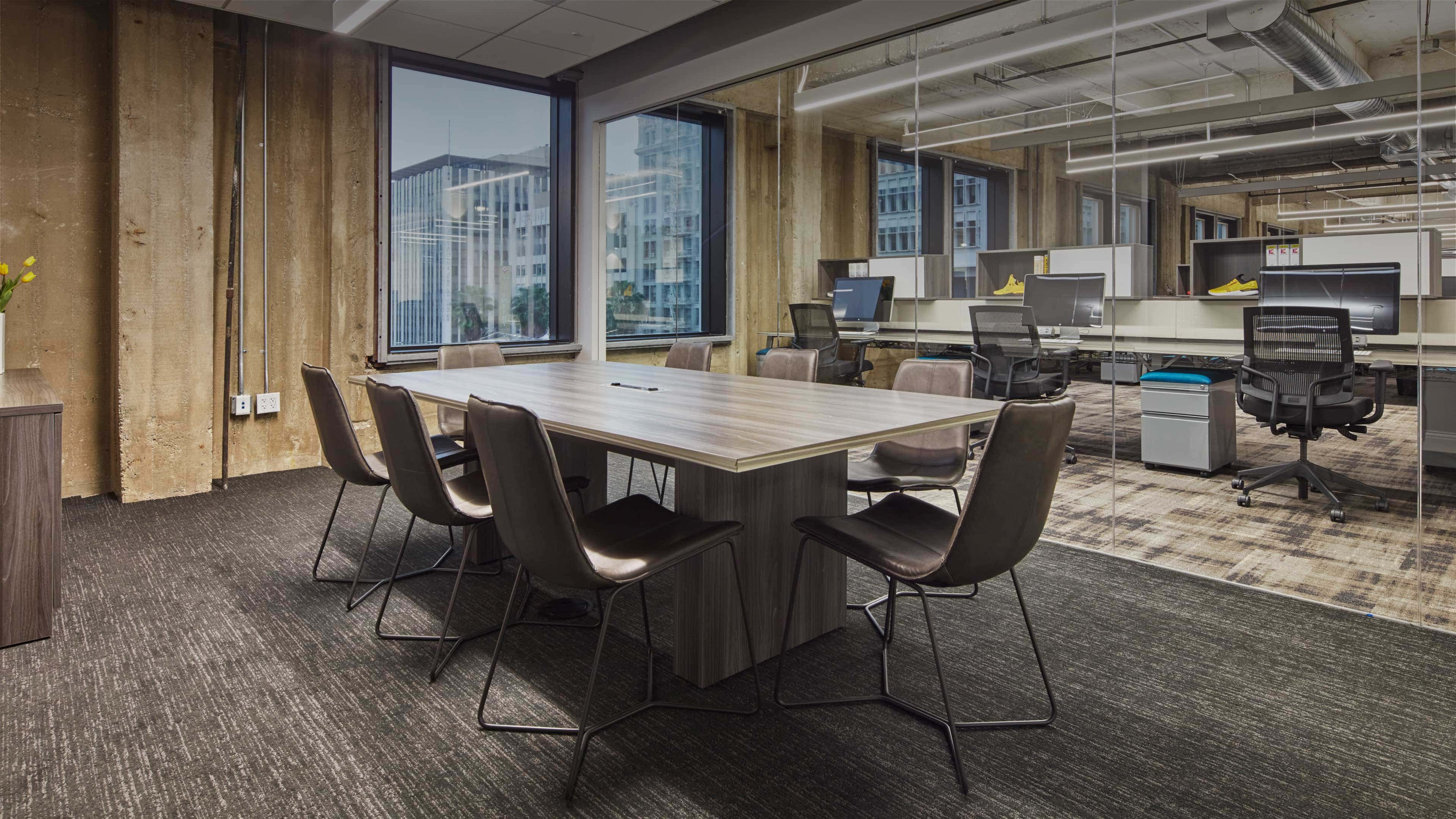
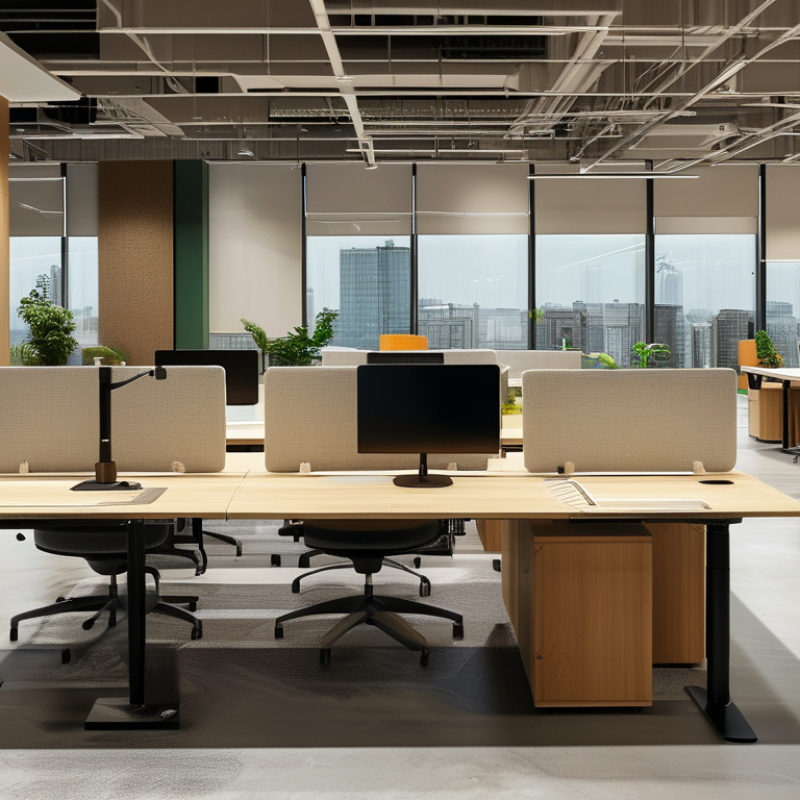
Adjustable desks now pair with compact monitor arms, cable channels, and quieter electric motors. Modular meeting tables can shift between training sessions, team discussions, and private project work. Acoustic panels soften the sharp noise of open offices, especially where video calls happen throughout the day. Warm wood tones, recycled fabrics, and muted green or clay finishes are gaining attention. They make large commercial interiors feel less mechanical.

Small details matter.

A well-designed workstation should support neutral posture, clear circulation, and easy maintenance. Buyers should request test samples, durability data, warranty terms, and replacement-part information before approving large orders. Local climate also deserves attention. Humid regions may require different surface treatments than dry environments. Shipping distance, packaging volume, and repair access can influence the real environmental cost.

However, not every popular feature delivers lasting value. Smart desks may add convenience, yet integrated technology can become outdated or difficult to service. Sustainable claims also require verification, not attractive labels alone. Experienced procurement teams compare certifications, material composition, factory practices, and total ownership costs. These checks create a more reliable buying process across regions.

This guide explores the leading 2026 trends, practical specifications, and purchasing considerations shaping global workspace projects. Some predictions may change. That uncertainty deserves honest planning.

2026 Top Modern Workspace Furniture Trends for Global Buyers

Definition and Scope of Modern Workspace Furniture in 2026

In 2026, modern workspace furniture means more than desks and office chairs. It includes adaptable products that support focused work, collaboration, movement, and digital communication. A height-adjustable desk, ergonomic chair, acoustic screen, and mobile storage unit may belong to the same category.

The scope now covers hybrid offices, shared work hubs, home work areas, and compact project rooms. Buyers should examine seat comfort, adjustability, cable control, lighting compatibility, and cleaning requirements. Materials also matter. Recycled content, repairable parts, and documented product life can reduce replacement pressure. Good design should serve different body types and mobility needs.

Real purchasing decisions need evidence. Manufacturers should provide dimensions, load ratings, material details, safety testing, and maintenance guidance. Buyers can request samples or conduct short workplace trials before placing large orders. A chair may look excellent online but feel unsuitable after three hours. That gap is easy to miss.

The definition remains imperfect. Technology changes faster than furniture standards. Some products promise flexibility without offering genuine durability. Global buyers should compare measurable performance with daily user feedback. Comfort is personal. Long-term value is not.

Key Design Trends Shaping Global Workspace Furniture

Global workspace furniture is moving toward flexible, human-centered planning. Modular desks, mobile storage, and reconfigurable meeting tables help companies adjust after hiring changes. People notice comfort. Adjustable desks should support different heights, while chairs need practical lumbar control and breathable materials. In real office assessments, poor cable management remains a common failure. A clean power channel can improve safety, maintenance, and visual calm.

Acoustic design is becoming more precise. Instead of covering every wall, planners use fabric panels, ceiling baffles, and partial screens near noisy collaboration zones. Small details matter. A quiet corner can support focused work without isolating employees. Lighting also needs greater attention, especially where screens create glare. Buyers should request measurable performance data, including acoustic ratings, surface durability, and material emissions information.

Sustainability now involves more than recycled content. Global buyers are examining repairability, replaceable components, packaging volume, and transport efficiency. Furniture with standard fasteners can remain useful longer. This reduces waste, but it may increase initial design complexity. That is not enough. Buyers should test sample units with employees, check accessibility requirements, and confirm regional fire and safety standards. A visually impressive workspace can still fail when drawers jam, edges feel sharp, or shared tables lack enough power access.

Materials, Technology, and Sustainability Standards

2026 Top Modern Workspace Furniture Trends for Global Buyers

Materials, Technology, and Sustainability Standards

In 2026, global buyers will examine furniture beyond appearance and price. Materials must show measurable environmental performance. The Global E-waste Monitor 2024 reports 62 million tonnes of electronic waste generated in 2022, with only 22.3% formally collected and recycled. This matters for desks with embedded sensors, charging ports, and control systems. Modular components, replaceable batteries, and standard connectors can extend useful life. Small details matter.

A recycled chair is not automatically sustainable. Buyers should request life-cycle assessments, Environmental Product Declarations, and verified recycled-content data. ISO 14025 and EN 15804 provide useful frameworks for comparing environmental claims. The Circularity Gap Report 2024 found that only 7.2% of the global economy was circular. That figure should make procurement teams uncomfortable. Durable frames, repair manuals, low-VOC finishes, and recyclable packaging deserve more attention than decorative green labels.

Technology will become quieter and more practical. Occupancy sensors can support space planning, while integrated power systems reduce cable clutter. However, connected furniture also creates data, maintenance, and cybersecurity concerns. A 2024 workplace report from a leading global property consultancy found that many organizations are still adjusting office space to changing attendance patterns. Furniture should therefore be movable, interoperable, and easy to reconfigure. Standards help, but they do not replace judgment. Some sustainability claims remain difficult to verify.

2026 Top Modern Workspace Furniture Trends for Global Buyers

Materials, technology, and sustainability standards shaping responsible workspace procurement.

The chart compares commonly cited energy-saving potential when recycled feedstock replaces primary production. Aluminum and steel are especially relevant to desks, chair bases, frames, and storage systems. Actual results vary by alloy, recycled content, electricity mix, manufacturing process, and product design.

Procurement note: prioritize products with verified environmental product declarations, repairable components, recycled content documentation, and material passports. For connected workspaces, USB Power Delivery 3.1 supports up to 240 W, while Wi-Fi 7 is based on IEEE 802.11be. Sustainability requirements should also consider applicable EU Ecodesign for Sustainable Products Regulation and Digital Product Passport developments.

Workspace Furniture by Office Type and User Needs

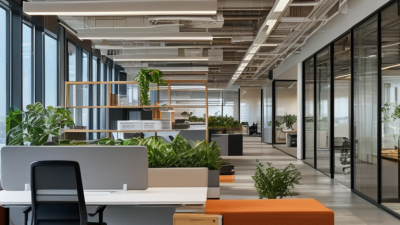
In 2026, workspace furniture decisions will depend more on office type than visual trends. Open-plan offices need acoustic screens, shared worktables, and height-adjustable desks. These elements reduce distractions while supporting quick team changes. However, excessive screens can make a space feel closed and socially disconnected. Fit matters.

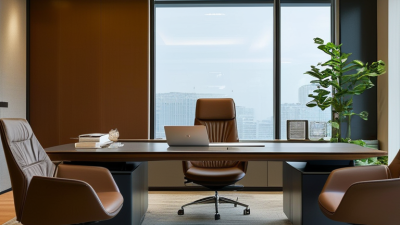
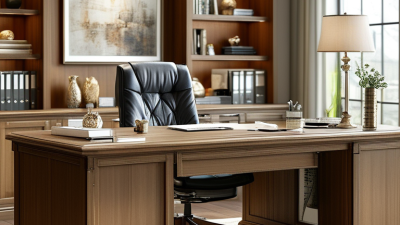
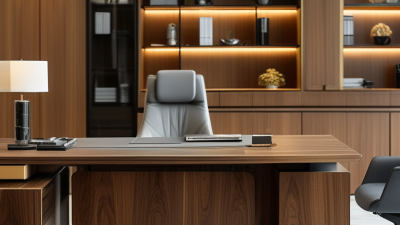
Private offices require compact storage, ergonomic seating, and controlled lighting. A deep desk may suit managers who review documents, but it can waste space in smaller rooms. Global buyers should check local room sizes, electrical standards, and assembly conditions before ordering. Furniture that looks efficient online may feel oversized after installation.

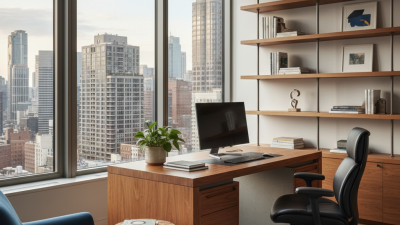
Hybrid offices need flexible workstations, mobile pedestals, and easy-clean surfaces. Employees often switch between video meetings, focused tasks, and informal discussions. Adjustable monitor arms and supportive task chairs can reduce neck and back strain during long sessions. Training rooms benefit from nesting tables and stackable chairs, while reception areas need clear circulation and durable upholstery. Accessibility also requires thoughtful aisle widths and reachable controls.

Coworking spaces should offer different postures, from lounge seating to sit-stand stations. Not every user has the same height, schedule, or technology. A shared desk system may improve capacity, but it can create cable clutter and privacy concerns. Buyers should test samples with real users instead of trusting specifications alone. Some furniture choices will need revision after daily use. That is not failure; it is useful evidence for better procurement.

2026 Top Modern Workspace Furniture Trends for Global Buyers — Workspace Furniture by Office Type and User Needs
Office Type Primary User Needs Recommended Furniture Mix Typical Planning Dimensions Key Ergonomic Requirements 2026 Trend Direction Procurement Considerations for Global Buyers
Open-Plan Office Focused work, visual organization, collaboration, and acoustic comfort. Height-adjustable desks, mobile pedestals, acoustic desk screens, shared storage, and small collaboration tables. Desk depth: 700–800 mm
Desk width: 1,200–1,800 mm
Seated desk height: approximately 720–760 mm
Adjustable monitor height, adequate legroom, rounded work surfaces, and clear circulation paths. A sit-stand option should provide a stable working position across the user’s adjustment range. Flexible neighborhoods, lower visual barriers, integrated acoustic elements, and reconfigurable workstations. Confirm cable-management standards, panel compatibility, fire-rating documentation, replacement-part availability, and flat-pack shipping efficiency.
Private Executive Office Concentration, confidential meetings, document storage, and a professional reception setting. Height-adjustable executive desk, ergonomic task chair, compact meeting table, guest chairs, credenza, and lockable storage. Desk depth: 800–1,000 mm
Meeting table diameter: 900–1,200 mm
Clear route width: at least 900 mm where practical
Adjustable lumbar support, seat-depth adjustment, armrest adjustment, and sufficient clearance for seated posture changes. Residential-inspired finishes, discreet technology integration, sustainable veneers, and smaller executive footprints. Specify low-emission materials, lock types, acoustic privacy, finish durability, and local electrical compatibility.
Hybrid-Work Office Quick setup, personal storage, hot-desking, reliable connectivity, and easy reconfiguration. Shared sit-stand desks, mobile screens, personal lockers, touchdown tables, monitor arms, and mobile task chairs. Shared desk width per user: approximately 1,200–1,600 mm
Locker module depth: commonly 300–450 mm
Worktop depth: 700–800 mm
Fast-adjusting work surfaces, adjustable monitor support, easy-access power, and seating that accommodates multiple body sizes. Unassigned seating, desk-booking readiness, personal lockers, plug-and-play power, and modular furniture systems. Prioritize durable components, standardized spare parts, universal power modules, cleaning-resistant surfaces, and simple reconfiguration.
Collaborative Project Zone Team workshops, spontaneous interaction, shared displays, and rapid switching between sitting and standing. Mobile height-adjustable tables, nesting chairs, writable boards, mobile screens, stools, and integrated power units. Table depth: 700–900 mm
Standing table height: approximately 950–1,100 mm
Planning allowance: about 1.5–2.0 m² per active user
Stable table bases, safe casters, rounded corners, supportive perching options, and unobstructed movement around furniture. Lightweight mobile pieces, writable surfaces, hybrid meeting support, and furniture that converts between workshop formats. Check caster locking, table-load capacity, acoustic performance, screen mounting compatibility, and replacement-board availability.
Focus and Quiet Room Deep work, online meetings, confidential calls, and reduced visual and acoustic distraction. Compact sit-stand desk, high-back task chair, acoustic wall panels, compact storage, task lighting, and privacy screen. Desk width: 1,000–1,400 mm
Desk depth: 600–750 mm
Door and circulation clearances: follow local accessibility codes
Independent monitor adjustment, glare control, neutral posture support, and adequate ventilation. Phone booths and focus rooms with improved ventilation, acoustic absorption, occupancy indicators, and compact footprints. Request tested acoustic data, ventilation specifications, accessibility information, electrical certifications, and maintenance procedures.
Training and Education Room Repeated reconfiguration, clear sightlines, note-taking, presentation viewing, and efficient storage. Nesting tables, stackable chairs with tablet arms, instructor workstation, mobile presentation stand, and storage carts. Table depth: 450–600 mm per row
Seated table height: approximately 720–760 mm
Aisle widths: determined by local safety regulations
Supportive backrests, stable writing surfaces, adequate knee clearance, and safe movement when tables are nested or moved. Fast-reset classrooms, lightweight nesting furniture, integrated charging, and layouts supporting in-person and remote learners. Evaluate stacking height, trolley dimensions, chair durability, surface-cleaning requirements, and regional safety certifications.
Reception and Waiting Area Welcoming appearance, inclusive seating, efficient visitor flow, and a clear reception point. Reception counter, lounge seating, side tables, visitor chairs, accessible writing surface, coat storage, and planter-based zoning. Reception counter height: include an accessible lowered section where required
Lounge seat height: commonly 400–480 mm
Maintain clear approach routes under local accessibility codes
Firm seat cushions, varied seat heights, arm-supported options, rounded edges, and unobstructed access for mobility devices. Hospitality-style layouts, biophilic zoning, durable soft seating, and inclusive visitor experiences. Specify commercial-grade upholstery, stain resistance, cleanability, accessibility features, and compliance with local public-space regulations.
Wellness and Recharge Area Short breaks, informal conversation, posture variation, and mental recovery during the workday. Lounge chairs, small sofas, side tables, soft acoustic elements, lockers, café tables, and low-stimulation lighting. Lounge seat height: commonly 400–480 mm
Side table height: approximately 450–650 mm
Keep principal circulation routes clear and accessible
Provide both upright and relaxed seating, stable support for standing up, rounded corners, and suitable seat firmness. Restorative interiors, natural materials, quiet zones, flexible seating postures, and stronger separation from high-traffic areas. Review upholstery durability, acoustic absorption, cleaning protocols, slip resistance, and material transparency documentation.
Accessible and Inclusive Workstation Independent use by people with different body sizes, mobility needs, sensory needs, and working preferences. Height-adjustable desk, adjustable chair, accessible storage, clear under-desk space, contrast details, and easy-grip hardware. Provide a clear knee space of at least 760 mm wide where required by applicable accessibility standards
Desk height should be adjustable to the user
Use local accessibility codes for final clearances
Height-adjustable surfaces, intuitive controls, stable arm support, low-force mechanisms, glare reduction, and visual contrast. Universal design, adjustable components, sensory-friendly options, and accessibility treated as a standard specification rather than an add-on. Compare products against the destination country’s accessibility, electrical, fire, and occupational-health requirements before ordering.
Creative Studio and Design Office Large-format work, material review, team critique, sketching, storage, and frequent movement between tasks. Large height-adjustable worktables, drafting surfaces, mobile drawer units, display rails, pinboards, stools, and open shelving. Worktable depth: 800–1,200 mm
Worktable width: 1,600–2,400 mm
Standing work height: approximately 950–1,100 mm
Adjustable working angles, stable surfaces, task lighting, anti-fatigue options, and storage positioned within easy reach. Maker-style flexibility, durable modular storage, mobile display systems, and furniture supporting both digital and physical workflows. Confirm load ratings, scratch resistance, material handling, cable routing, modular expansion, and packaging protection for international freight.
Contact Center and Operations Office Extended computer use, headset-based communication, privacy, quick troubleshooting, and consistent workstation standards. Compact height-adjustable workstations, monitor arms, acoustic screens, ergonomic task chairs, CPU holders, and personal storage. Desk depth: 600–800 mm
Desk width: 1,000–1,400 mm per user
Screen distance: position according to user comfort and professional guidance
Adjustable chair and monitor support, sufficient elbow room, glare control, acoustic separation, and easy access to controls. Sit-stand adoption, improved acoustic zoning, modular benching, and workstation analytics without compromising user privacy. Assess long-term chair durability, replacement components, acoustic test results, power distribution, cable safety, and cleaning cycles.
Small Business and Flexible Suite Efficient use of limited floor area, multifunctional rooms, growth capacity, and controlled investment. Compact sit-stand desks, folding or nesting tables, stackable chairs, mobile storage, small meeting tables, and modular partitions. Desk width: 1,000–1,400 mm
Desk depth: 600–750 mm
Small meeting table diameter: 900–1,200 mm
Preserve adequate legroom and circulation while selecting furniture that supports frequent layout changes. Multifunctional furniture, compact footprints, tool-free reconfiguration, and phased purchasing for business growth. Compare total landed cost, assembly time, warranty coverage, minimum order quantities, spare parts, and local service support.

Global Buying Criteria, Compliance, and Market Considerations

Global workspace purchasing in 2026 will depend on evidence, not attractive renders. UNEP’s 2024 Global Status Report states that buildings consume 32% of global energy and produce 34% of global carbon emissions. Buyers should therefore request recycled-content data, repair guidance, packaging details, and verified environmental declarations. A low-carbon claim without measurable evidence is weak.

Compliance must match the destination market. Office seating should be checked against relevant ergonomic standards, such as ISO 9241-5 or EN 1335. Electrical desks need separate safety documentation and country-specific plug requirements. Materials may also face chemical rules, including EU REACH or equivalent local legislation. Fire performance differs between markets. One certificate rarely covers every destination.

Details affect real purchasing decisions. Specify adjustable lumbar support, replaceable casters, cable trays, and rounded desk edges. The World Green Building Council reports that improved indoor air quality can increase productivity by up to 11%. Ventilation, acoustic control, and cleanable surfaces deserve equal attention. I would not claim that one chair fits every body. User trials remain necessary, especially across different heights and working cultures. A perfect global specification is unrealistic, but a documented regional adjustment process is practical. Test samples should include humidity exposure, repeated height changes, and delivery damage checks.