

Top Modern Office Furniture for Global Buyers?
Global buyers are rethinking what an office should feel like, not merely how many desks it can hold. Modern office furniture now supports focused work, hybrid meetings, informal collaboration, and employee wellbeing. A height-adjustable desk, acoustic screen, or soft lounge chair can change the rhythm of a room. Small details matter.
Industry evidence supports this shift. JLL’s 2024 Future of Work Survey identifies workplace experience as a major investment priority for corporate occupiers. Its findings reflect a practical reality: offices must offer value beyond remote work. Gensler’s 2024 Global Workplace Survey also examines how workplace effectiveness depends on varied settings, including spaces for concentration, collaboration, and social connection. Meanwhile, the International WELL Building Institute links healthier environments with comfort, movement, light, and air quality. These reports do not recommend one universal layout. They show that workplace decisions should follow evidence, user behavior, and local conditions.
This guide reviews top modern office furniture for global buyers through that lens. It considers ergonomic performance, material durability, space efficiency, sustainability claims, and long-term maintenance. It also considers cultural differences. A benching system may suit a dense technology office, yet feel unsuitable in a privacy-oriented legal workplace. A beautiful chair can still disappoint after eight hours. That matters.
No ranking fits every market. Even this framework has blind spots. Product testing, warranty terms, certifications, and supplier transparency deserve equal attention. Buyers should compare real specifications, request samples, and measure existing workflows before committing. The strongest furniture choice is not always the newest one. It is the one that remains useful, comfortable, and responsible after daily use begins.

Modern Office Furniture: Definition, Scope, and Global Market Context
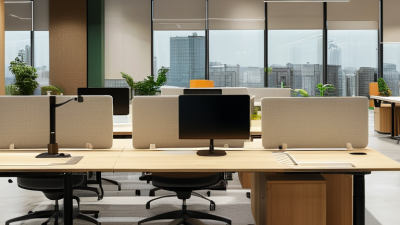
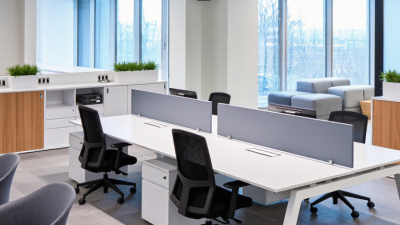
Modern office furniture reflects current work patterns, not merely recent-looking shapes. It includes desks, task chairs, storage, meeting tables, acoustic screens, and flexible collaboration units. Ergonomics, adjustability, cable management, durability, and material transparency often matter more than visual novelty. A polished surface alone does not make furniture modern. Function does. The category is still messy.
For global buyers, the scope includes manufacturers, contract dealers, project specifiers, logistics providers, and local installers. Demand is shaped by hybrid work, limited urban space, wellness expectations, and workplace regulations. Yet “global” does not mean identical. A height-adjustable desk may suit one office, while another needs compact workstations and stronger heat resistance. Buyers should check dimensions, load ratings, material emissions, warranty terms, replacement parts, and installation requirements. Local fire, electrical, accessibility, and occupational safety rules can change the specification.
Reliable sourcing requires more than a product image. Ask for test reports, material declarations, and documented quality controls. Verify that these documents match the delivered model. Total cost includes freight, duties, assembly, maintenance, and future disposal. Prices mislead. I would also question broad sustainability claims; recycled content is useful, but it does not prove long service life. Some smart features remain difficult to repair. A short workplace trial can expose glare, unstable cable trays, or uncomfortable seating before a large order.
Key Categories of Contemporary Office Furniture
Modern office furniture now serves several work modes, not one fixed desk. Grand View Research estimates the global office furniture market reached about USD 58 billion in 2023. Its forecast also indicates steady growth through 2030. Key categories include ergonomic task chairs, height-adjustable desks, modular workstations, collaborative tables, lounge seating, storage, and acoustic panels. Each category solves a different workplace problem. Task chairs support long computer sessions. Sit-stand desks add movement. Modular systems help companies change layouts without replacing everything.
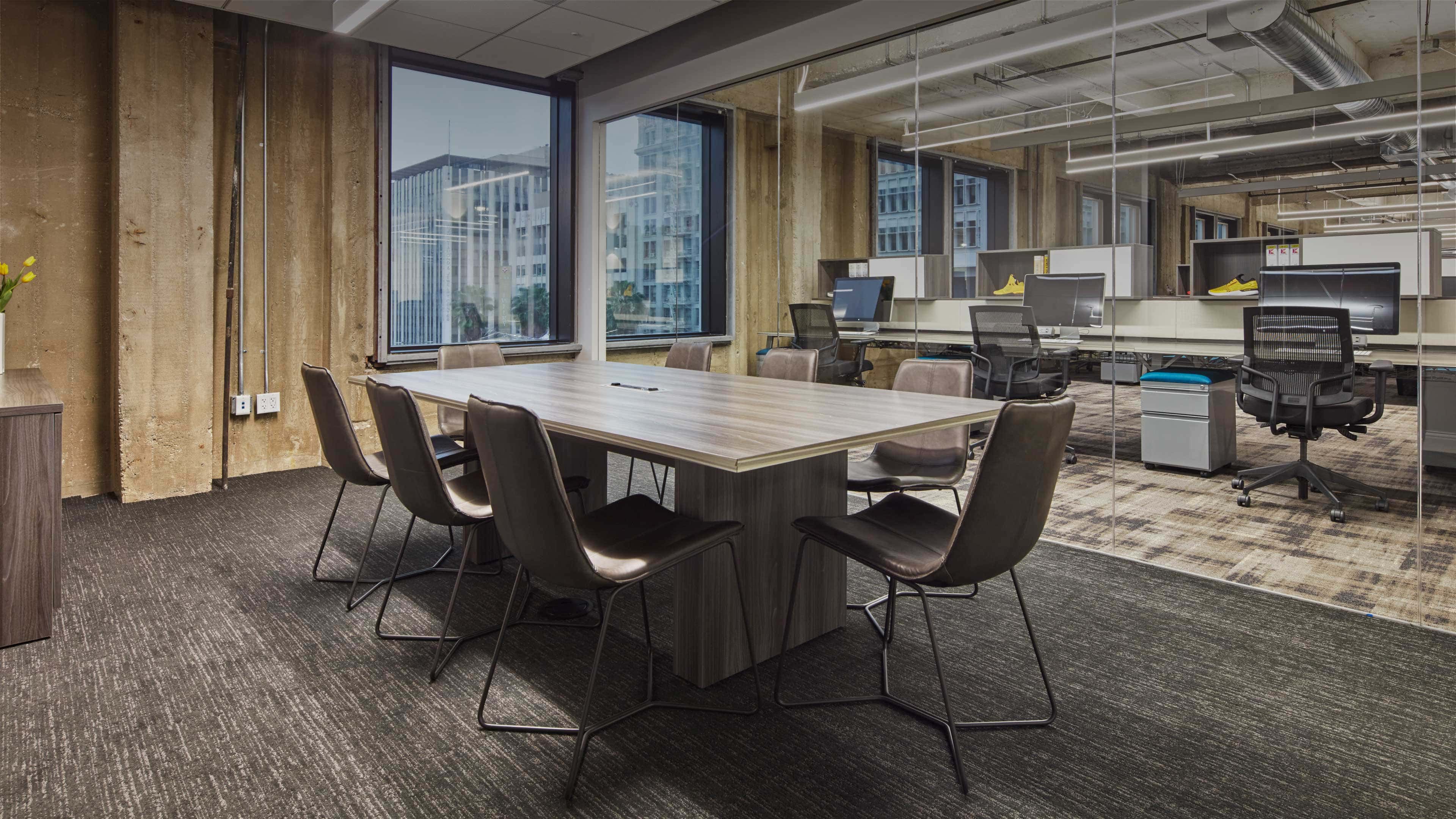
Gensler Research Institute’s 2024 Global Workplace Survey found that 79% of workers value choice in where and when they work. This finding supports flexible furniture zones. A quiet booth can support video calls. A shared table can support short team sessions. Lockers reduce visual clutter in hybrid offices. Lighting also matters, especially near screens and reflective surfaces. However, furniture alone cannot fix poor space planning. A costly chair may still fail when its seat depth does not suit local users. Regional body sizes, climate, electrical standards, and delivery conditions require careful review.
Tips: Request test samples before large orders. Check adjustment ranges, fabric cleaning needs, fire documentation, and replacement-part access. Specify measurements in both metric and imperial units when serving global projects. Leave clear circulation paths. Acoustic screens are helpful, but they are not magic; busy offices may need better zoning and behavioral rules. The International WELL Building Institute also emphasizes comfort and user control, yet buyers should verify every claim through technical documents and independent testing.
How to Evaluate Quality, Ergonomics, and Workplace Function
Top Modern Office Furniture for Global Buyers?
How to Evaluate Quality, Ergonomics, and Workplace Function
In my procurement experience, quality appears in details that photographs often hide. Inspect welded joints, drawer alignment, edge finishing, and the stability of adjustable legs. A desk should remain steady when someone writes near its corner. Ask for material specifications, load ratings, test reports, and clear warranty terms. Reliable suppliers should also explain packaging methods, replacement parts, and maintenance requirements for different climates.
Ergonomics needs more than a soft chair. Check whether the seat height supports flat feet and relaxed knees. The backrest should follow the spine without forcing one posture. Armrests must fit beneath the desk, or they become obstacles. For shared offices, seat adjustments should be simple. Test the controls repeatedly. They may feel smooth on day one, then loosen later. A small flaw can become a daily irritation.
Workplace function depends on movement. Measure cable openings, monitor space, storage access, and walking clearance before ordering. Modular tables can support team changes, while acoustic screens may reduce distracting conversations. In humid regions, inspect moisture resistance and metal protection. In dry areas, static and surface cracking deserve attention. I have seen attractive furniture fail because delivery instructions were vague. That lesson still matters: request assembly drawings, room layouts, and realistic lead times. Perfect furniture rarely exists. Better decisions come from testing real samples with real users.
Material, Design, and Sustainability Considerations
Top Modern Office Furniture for Global Buyers?
Material, Design, and Sustainability Considerations
Global buyers need more than attractive desks. Material choices affect durability, indoor air quality, shipping weight, and repair costs. Powder-coated steel handles heavy daily use and resists scratches. Solid wood adds warmth, but unstable moisture can cause movement. Engineered panels may offer consistency when certified low-emission adhesives are used. Ask for test reports, recycled content data, and clear care instructions. Claims alone are not enough. Good sourcing requires evidence.
Modern design should support real working habits, not only showroom photographs. Height-adjustable desks can reduce static sitting, while task chairs need adjustable lumbar support and seat depth. Cable trays keep floors safer and make cleaning easier. Modular storage helps teams change layouts without replacing every unit. Yet too many mechanisms can increase failure points. I have seen elegant furniture become frustrating when spare parts were unavailable. Check component compatibility before placing a large international order.
Sustainability includes the full product journey. Compare packaging volume, shipping efficiency, expected service life, and end-of-life separation. A repairable chair may outperform a cheaper chair that becomes waste after two years. Verify timber sources, coatings, and emissions through recognized documentation. Regional climate matters too. Humidity can challenge untreated materials, while dry offices may expose weak joints. Buyers should pilot a small batch first. That extra step costs time and sometimes reveals design assumptions that looked reasonable on paper.
Global Buying Factors: Standards, Pricing, Shipping, and Suppliers
Top Modern Office Furniture for Global Buyers?
Global office furniture buying starts with standards, not appearance. Check dimensions, fire performance, load capacity, electrical safety, and material emissions for the destination market. Requirements can differ between regions, even for a simple task chair. Request current test reports, technical drawings, and user instructions before approving production. Measure twice. A sample should be assembled and used, not only photographed. Small issues, such as unstable casters or sharp desk edges, become expensive after delivery.
Pricing needs a wider view. Compare the product price with packaging, inspection, customs duties, inland transport, and installation. A low quotation may hide weak cartons or missing accessories. Ask suppliers for a clear breakdown and a written validity period. Currency changes can affect the final budget. I have seen buyers focus too heavily on unit cost and overlook replacement parts. That approach often creates delays and frustrated staff.
Shipping plans should match the furniture’s size and fragility. Flat-packed desks may reduce freight volume, while assembled storage units need stronger protection and more space. Confirm carton dimensions, pallet rules, lead time, loading photos, and damage procedures. Supplier evaluation should include factory capability, quality controls, export experience, response speed, and warranty terms. Request references or a small trial order where practical. No supplier is perfect. A promising factory may still miss a detail, so inspections and precise purchase documents remain necessary.
Related Posts
-
2026 Top Modern Workspace Furniture Trends for Global Buyers
-

Best Private Office Furniture Trends for Businesses in China?
-
How to Choose the Best Private Office Furniture for Your Needs?
-
2026 Best Private Office Furniture for Global Buyers
-
How to Choose Modular Office Furniture for Your Business?
-

Why Choose Private Office Furniture for Your Work Environment?