


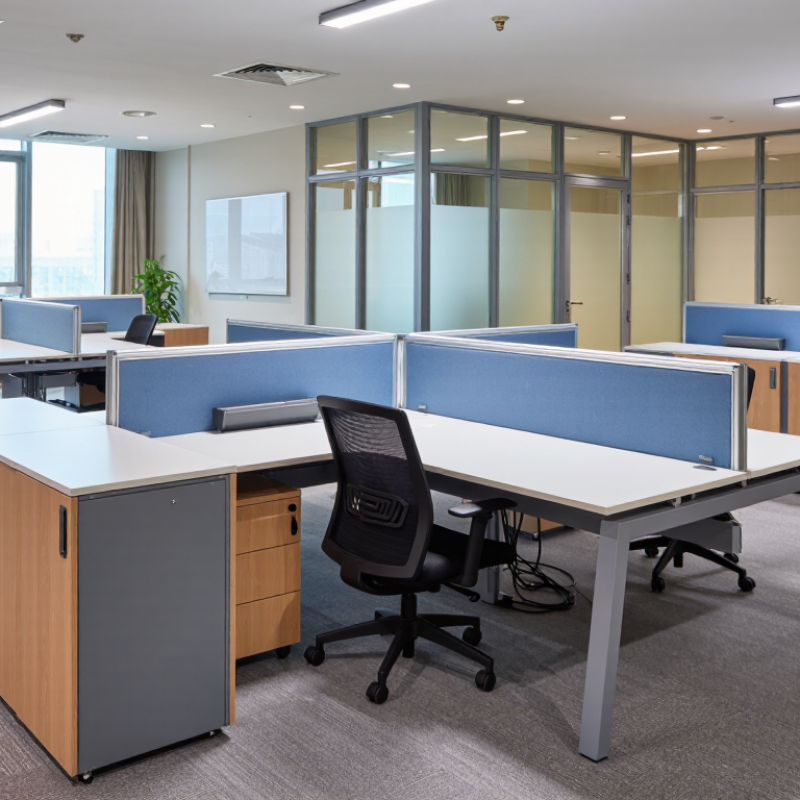
What Is the Best Modular Office Furniture from China?

Choosing the best modular office furniture from China requires more than comparing catalog prices. It demands practical judgment, factory verification, and careful attention to workplace needs.

A well-designed system should support changing teams, limited floor space, and daily movement. Desks should connect securely, while storage units should remain easy to reconfigure. Cable management matters too. Loose wires quickly damage an otherwise professional workspace. Materials also deserve close inspection. Ask for panel specifications, edge-banding details, hardware samples, and surface durability tests. These small checks reveal more than polished product photographs.

Workplace-design researcher Dr. Craig Knight said, “If you give people control over the design and layout of their office, they’re happier, healthier and more productive.” His observation explains why flexibility should guide every purchasing decision. Good modular office furniture gives employees practical control without creating visual clutter. It can make a compact office feel calmer, brighter, and easier to maintain.

However, no supplier is perfect. A low quotation may hide longer lead times, inconsistent finishes, or weak after-sales support. Even attractive designs can fail when dimensions ignore local building conditions. Buyers should request factory videos, independent inspections, realistic samples, and clearly documented warranties. They should also confirm production capacity before placing a large order.

China offers broad customization, competitive manufacturing, and extensive material choices. Yet quality varies sharply between suppliers. The best choice balances ergonomics, durability, delivery reliability, and responsible production. It is not always the cheapest option. Sometimes, paying more prevents expensive replacement later.

What Is the Best Modular Office Furniture from China?

What Is Modular Office Furniture and Why Choose It from China?

Modular office furniture uses separate desks, panels, storage units, and meeting elements that can be rearranged easily. A team can expand a workstation row without replacing the entire office. This flexibility matters when headcounts, room sizes, or working styles change. It also reduces disruption during renovation. Small details matter.

China is a practical sourcing option because many manufacturers support custom dimensions, finishes, cable systems, and batch production. Buyers can request a compact desk for a narrow room or a height-adjustable station for active work. Many factories also combine metal processing, panel cutting, edge sealing, and packaging in one supply chain. This can improve coordination and control costs. However, low pricing alone proves nothing. I would check material samples, load tests, fire documentation, packaging quality, and production photos before approving an order.

A reliable process includes measured drawings, a written specification, and a physical prototype. Confirm desktop thickness, connector strength, surface resistance, and replacement-part availability. Ask how the supplier handles damaged panels or missing hardware. Delivery can also be uneven during busy seasons, so realistic lead times are essential. My experience is that clear drawings prevent more problems than persuasive sales promises. Even then, modular systems may feel less distinctive than custom-built furniture. That trade-off deserves honest discussion before purchase.
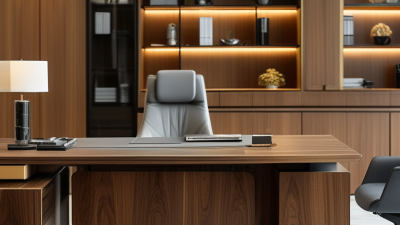

How to Evaluate Chinese Modular Office Furniture Manufacturers

Choosing the best modular office furniture from China starts with evaluating the manufacturer, not the catalog. A polished showroom can mislead. Request factory photos, production videos, and a live video tour of the workshop. Check whether the factory controls cutting, edging, welding, upholstery, and final assembly. In practice, strong manufacturers explain their process clearly and identify subcontracted work.

Ask for material samples before discussing large orders. Inspect panel thickness, edge bonding, surface scratches, drawer movement, and frame stability. Request test reports for load capacity, formaldehyde emissions, fire performance, and durability. These documents should match the exact product, not a similar model. Confirm whether testing follows the standards required in your destination market. A certificate without traceable details is weak evidence.

Communication reveals operational maturity. Ask for drawings, finish samples, packaging photos, and a written production schedule. Reliable suppliers explain tolerances, replacement procedures, warranty limits, and spare-part availability. They should also provide a pre-shipment inspection plan with measurable acceptance criteria. Do not judge only by the lowest quotation. Low prices may hide thinner materials, unstable lead times, or costly installation problems. A staged order can expose weaknesses early. That costs more initially. It may prevent larger losses later.

Evaluate export experience through verifiable project references and shipping records. Review packaging design carefully, especially for corner protection and flat-pack fittings. One overlooked issue is installation guidance. If instructions are unclear, even accurate components can create delays. Keep every specification in writing, and revisit assumptions before production begins.

Which Modular Furniture Types Suit Different Office Needs?

What Is the Best Modular Office Furniture from China?

Different work patterns require different modular furniture types. Open benching systems suit growing teams that share screens and need quick collaboration. Height-adjustable desks support individual focus and healthier posture changes. Movable partitions can create temporary project zones without permanent construction. They are useful in offices that change frequently.

According to Gallup’s 2024 State of the Global Workplace report, only 23% of employees worldwide are engaged. Furniture cannot solve engagement alone, but poor workplace conditions can add friction. Quiet rooms, acoustic screens, and small meeting pods help protect concentration. For hybrid teams, folding training tables and stackable chairs make room conversion faster. Storage modules with lockable compartments also support shared desks and personal security.

The 2024 Global Occupancy Planning Benchmarking Report indicates that office utilization is being measured more closely, rather than assumed. This supports flexible layouts with movable desks and reconfigurable meeting areas. In practical sourcing from China, buyers should request verified load ratings, material specifications, acoustic test results, and destination-market compliance documents. Ask for replacement-part availability too. It is often overlooked.

I would not choose the cheapest configuration. A low price may hide weak hinges, unstable frames, or difficult assembly. The better choice depends on team size, noise tolerance, floor area, and future change. These figures offer guidance, not a universal formula. Test one room first.

What Is the Best Modular Office Furniture from China?

Typical planning dimensions help match modular furniture with different office needs. Larger widths support individual comfort, while compact modules improve space efficiency and collaboration.

The dimensions shown are common commercial planning ranges in centimetres and may vary according to workspace standards, layout, and user requirements.

What Materials, Features, and Standards Should Buyers Check?

What Is the Best Modular Office Furniture from China?

Buyers should examine materials, adaptability, and verified performance before comparing prices. Steel frames usually offer strong reuse potential, while plywood or recycled panels reduce material weight. Ask for formaldehyde test results, surface durability data, and low-VOC documentation. GB 18580 may apply to wood-based panels, while EN 527 and ANSI/BIFMA X5.5 help assess office desks. Requirements must match the product category.

Look for tool-free connectors, adjustable legs, replaceable panels, and accessible cable channels. These details matter when teams move, expand, or change layouts. A practical procurement check includes load ratings, cycle tests, edge impact tests, and spare-part availability. Acoustic screens need measured absorption data, not attractive fabric alone. Small details often decide long-term usability.

Circular design deserves closer attention. The Global E-waste Monitor 2024 recorded 62 million tonnes of e-waste in 2022, with only 22.3% formally collected and recycled. Desks with integrated power modules can create similar disposal problems. Choose separable wiring and replaceable electrical parts.

The Circularity Gap Report 2024 estimated global circularity at only 7.2%.

That figure should challenge low-price purchasing habits. Recycled content sounds positive, but its source and certification still need checking. I have seen specifications that looked impressive yet lacked test dates, laboratory details, or clear model references. That is a warning. Expect imperfect documents, and verify them carefully.

How to Compare Pricing, Customization, Delivery, and Support?

The best modular office furniture from China is not always the cheapest option. A reliable comparison starts with the complete landed cost. Include product prices, sample fees, tooling, packaging, freight, installation, and possible replacement parts. Ask for a clear quotation with material grades and hardware specifications. Otherwise, low pricing may hide costly compromises.

Customization should be tested, not promised. Request CAD drawings, finish samples, cable-management details, and a physical prototype when the project is complex. Check whether modules can be rearranged after installation. A small test area can reveal unstable joints, sharp edges, or mismatched colors. I have found that photographs rarely show these problems clearly. This step takes time, but it protects the final layout. Some buyers still change dimensions too late, creating avoidable delays.

Delivery depends on more than a stated lead time. Confirm production milestones, inspection procedures, carton markings, loading plans, and responsibility for damaged goods. An independent pre-shipment inspection adds useful evidence. Support also matters after arrival. Look for responsive technical communication, replacement-part policies, installation guidance, and written warranty terms. Time-zone differences can slow decisions. A shared drawing log and weekly progress report can help. Even experienced purchasers sometimes overlook after-sales support while comparing unit prices. That mistake can become expensive when one missing panel stops an entire workstation cluster.