

What Are the Best Flexible Workspaces in 2026?
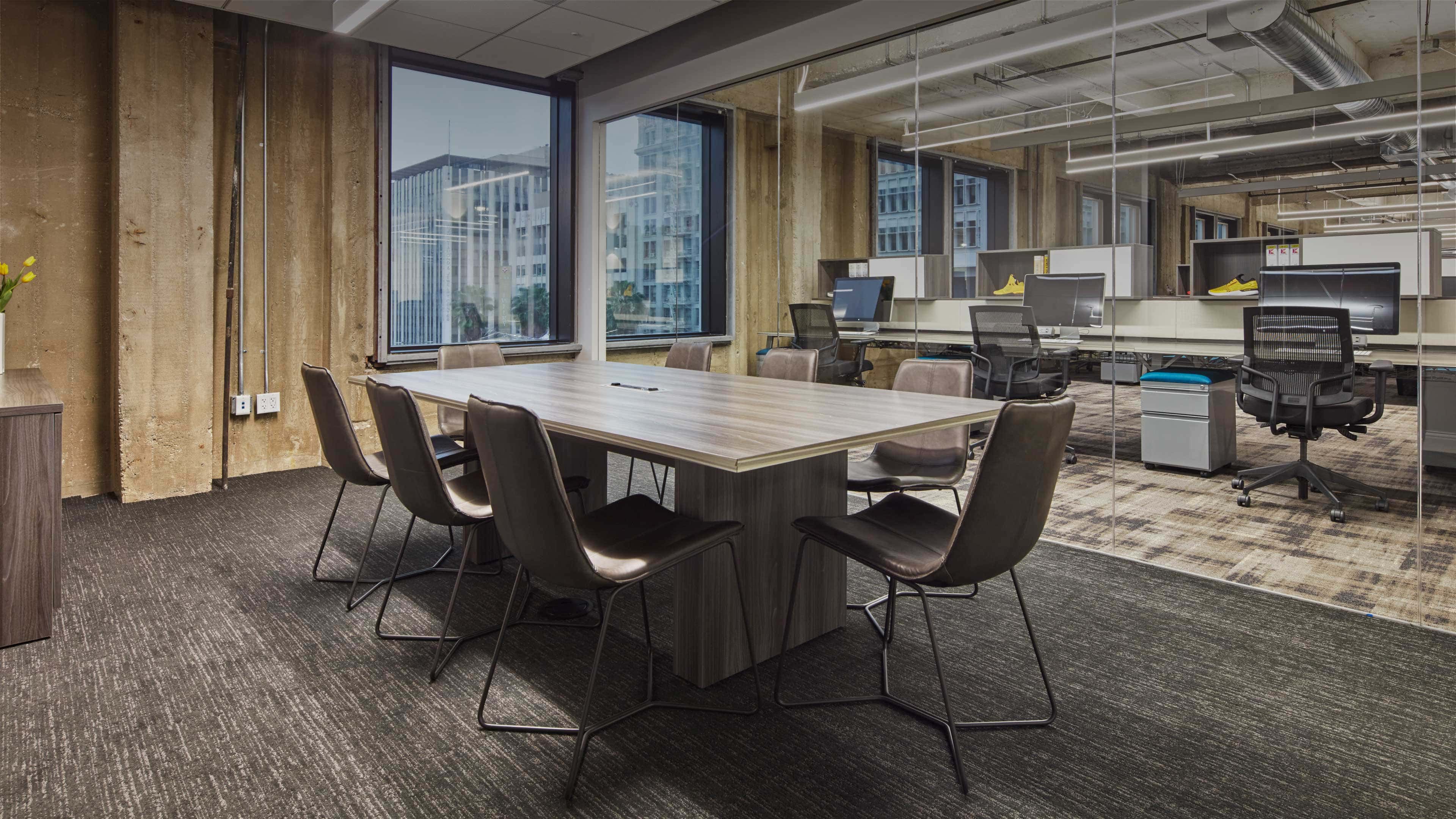
In 2026, the best flexible workspaces are not simply attractive offices with fast Wi-Fi. They help people work well across changing schedules, team sizes, and budgets. The right choice might be a coworking desk near a train station, a private office for a growing team, or a meeting room booked only when needed. Small details matter: reliable video calls, quiet corners, clear pricing, and access outside standard business hours. A polished lobby is nice. It is not enough.
This guide compares flexible workspaces through practical criteria: location, membership options, amenities, privacy, and overall value. It also considers who each space may suit, from independent professionals to distributed teams. Needs differ, and a popular provider is not automatically the best fit for every city or working style. Before signing, check what the quoted price includes, how bookings work, and whether the space feels usable during busy hours. Policies can change, too. That is easy to overlook.
There is no perfect workspace for everyone. A lively shared floor can encourage conversation, but make focused work harder. A private office offers control, yet may cost more than a small team needs. These trade-offs deserve honest attention. The aim is not to crown one universal winner, but to help readers identify flexible workspaces that support their actual routines—and to ask better questions before committing.
Define Flexible Workspaces: Coworking, Serviced Offices, and Hybrid Hubs
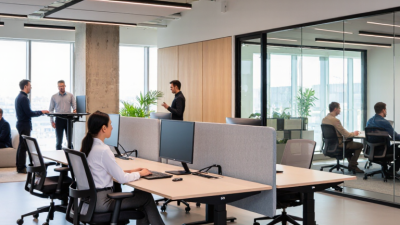
Flexible workspaces are places people can use without committing to a conventional long-term office. The term covers several models, and the differences matter. Coworking spaces offer shared desks, meeting rooms, and common areas. Members might take calls beside a window, then book a small room for focused work. A flexible setup should fit real routines, not just look appealing on a tour.
Serviced offices provide private, furnished rooms with practical support, such as reception, internet, and cleaning. They can suit teams that need privacy but want to avoid managing every office detail themselves. Costs and included services vary, so check the agreement carefully. A pleasant lobby does not tell you whether meeting-room access is limited.
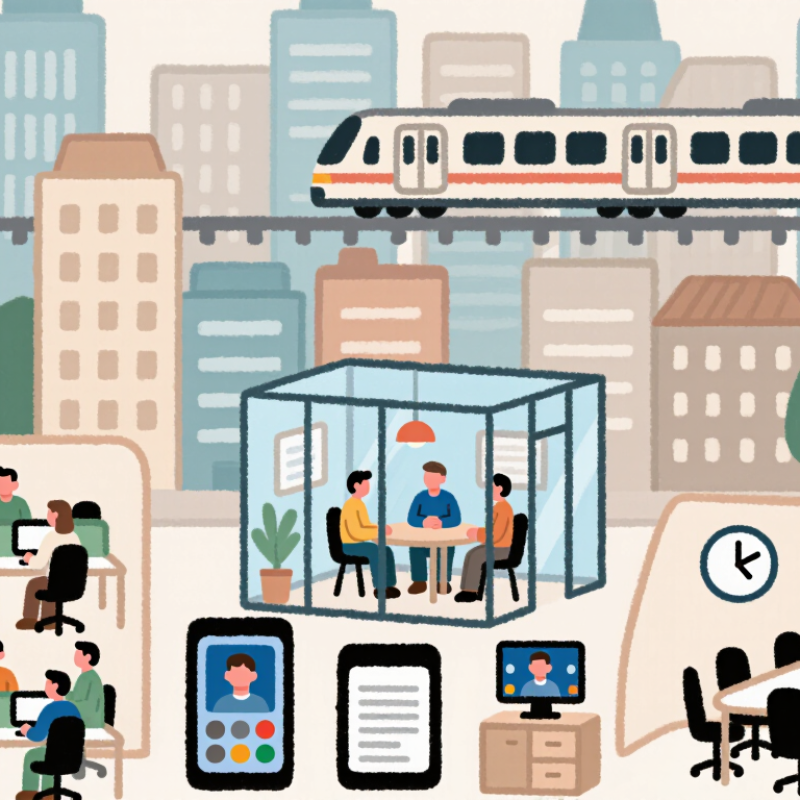
Hybrid hubs are designed for teams splitting time between home and a shared workplace. They may combine bookable desks, video-call booths, project rooms, and informal meeting areas. Quiet matters. Before choosing one, consider how often staff overlap, whether confidential conversations need a room, and how easy it is to reserve space on busy days. The label “hybrid hub” is not always used consistently, which can be confusing. Ask for a typical weekly schedule and inspect the rooms people will actually use.
What Are the Best Flexible Workspaces in 2026? - Define Flexible Workspaces: Coworking, Serviced Offices, and Hybrid Hubs
| Workspace type | What it is | Typical access and commitment | Common inclusions | Best suited to | Key consideration |
|---|---|---|---|---|---|
| Coworking space | Shared workspace with communal areas and, in many locations, bookable private rooms. | May offer day access, monthly memberships, or dedicated desks; terms vary by operator and location. | Usually furnished seating, Wi-Fi, shared facilities, and access to common areas; meeting rooms may require booking or an extra fee. | Freelancers, small teams, and remote employees who value community and a ready-to-use work setting. | Shared areas can be noisy or less private; check access hours, room availability, and what the membership includes. |
| Serviced office | A furnished, private office in a managed building, generally provided with shared building services. | Often available under shorter or more adaptable agreements than a conventional office lease; minimum terms differ. | May include furniture, utilities, internet, cleaning, reception, and shared meeting rooms, depending on the agreement. | Teams needing privacy, a professional work setting, and fewer setup tasks. | Confirm the full fee, included services, renewal terms, access rules, and charges for meeting rooms or additional users. |
| Hybrid hub | A shared or satellite workplace used alongside employees’ homes and a company’s main office. | Access may be arranged by desk booking, scheduled team days, or a recurring membership. | Commonly provides desks, meeting areas, internet, and shared facilities; services depend on the site and agreement. | Distributed teams that need occasional in-person collaboration closer to where employees live. | Works best with clear booking, attendance, security, and equipment policies; availability can vary by location. |
| Enterprise flexible office | A larger private workspace configured for an organization, often with dedicated areas and shared building amenities. | Usually based on a negotiated agreement; size, term, and service arrangements are tailored to the organization. | May include private offices, meeting rooms, furniture, connectivity, and building services, as specified in the contract. | Growing or distributed organizations seeking a dedicated team environment without managing every building service themselves. | Review customization costs, data and network requirements, expansion options, and the responsibilities retained by the tenant. |
| On-demand workspace | A desk or meeting room reserved for occasional use rather than maintained as a regular office membership. | Typically booked by the day or by the hour, subject to availability and site rules. | May provide a temporary desk, meeting room, internet, and access to shared facilities for the reserved period. | Traveling employees, occasional meetings, and individuals who need a workspace only now and then. | Availability, cancellation rules, access hours, and included equipment should be checked before booking. |
Note: Workspace features, pricing, contract terms, and included services vary by location and provider. Compare total costs and agreement details before choosing.
Related Posts
-
2026 Best Private Office Furniture for Global Buyers
-
2026 Top Modern Workspace Furniture Trends for Global Buyers
-
Why Is Office Layout Design Important for Global Buyers?
-
What Is the Best Modular Office Furniture from China?
-
How to Choose Modular Office Furniture for Your Business?
-
Top Modern Office Furniture for Global Buyers?