Top 10 Tips for Stunning Commercial Office Interiors Design?
Creating stunning commercial office interiors requires a strategic approach that blends aesthetics with functionality. Renowned interior designer Sarah Johnson emphasizes, “Office spaces should inspire creativity and collaboration.” Her insights highlight the importance of a well-thought-out design in the workplace.
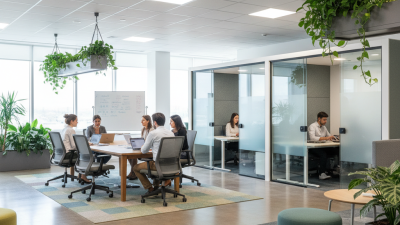
Effective commercial office interiors must reflect a brand's identity. Elements like color schemes, furniture choices, and layout should align with the company’s ethos. Consideration of employees’ needs is crucial, as it influences productivity and satisfaction. For instance, incorporating natural light and open spaces can create a more inviting atmosphere.
However, many designs miss the mark. Overly complex setups can lead to confusion rather than clarity. Balancing aesthetics and practicality remains a challenge. Striking this balance is pivotal to enhancing both employee well-being and the overall workplace environment.
Understanding the Importance of Office Interior Design in Business Success
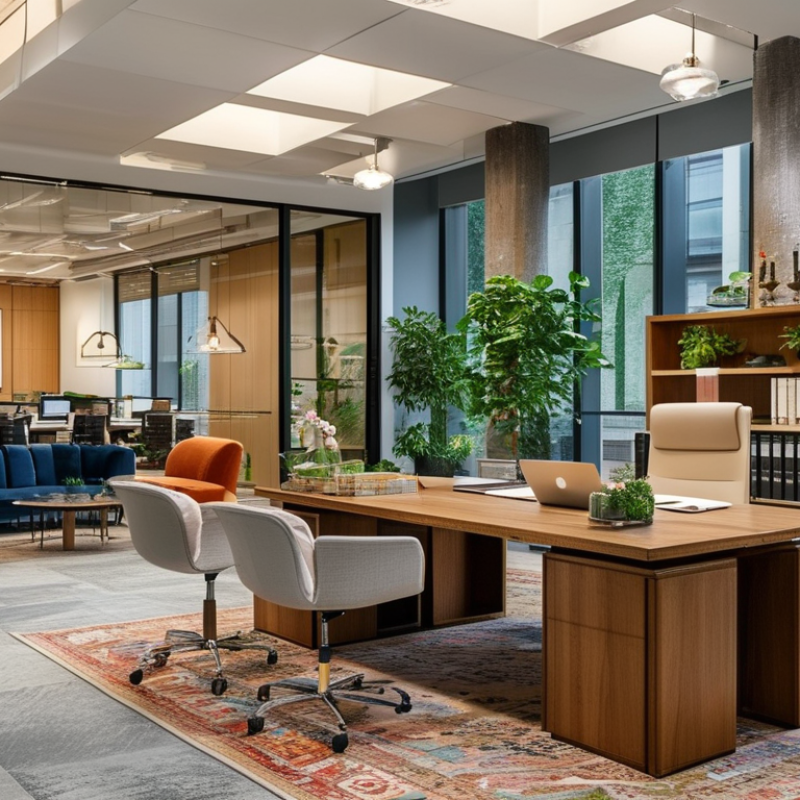
Creating an appealing office interior goes far beyond aesthetics. It influences employee productivity and enhances brand identity. A well-designed office can make employees feel valued and inspired. Bright colors and comfortable furniture can foster creativity. Dull environments, however, may stifle innovation.
The arrangement of office space is equally critical. Open layouts can encourage collaboration, while private areas provide necessary retreats. Employees need spaces to focus, yet they also thrive in team environments. Balancing these needs is essential for a thriving workspace.
Moreover, lighting plays a significant role in setting mood and focus. Natural light boosts energy and reduces fatigue. On the other hand, harsh fluorescent lights can lead to discomfort and decreased productivity. Thoughtful design is not merely about style. Each aspect must support the goal of enhancing well-being and efficiency. An office can reflect a company’s values, but failing to consider employees' needs can lead to disengagement and turnover.
Key Elements of Stunning Commercial Office Design to Consider
Creating stunning commercial office interiors involves several key elements that can enhance both aesthetics and functionality. One of the most crucial aspects is lighting. Natural light can boost mood and productivity. Consider using large windows or glass walls to maximize sunlight. However, be mindful of glare and heat. Balancing natural light with thoughtfully designed artificial lighting can create an inviting atmosphere.
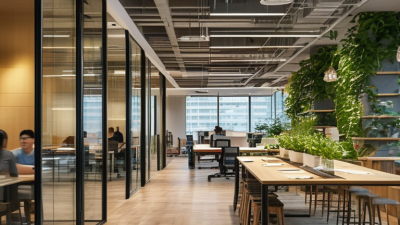
Color schemes play a vital role in office design. Opt for colors that stimulate creativity and focus, such as blues and greens. Too much bold color can be overwhelming. A neutral base with splashes of accent colors can be effective. Additionally, incorporating biophilic design elements, like indoor plants or water features, can enhance tranquility. Reflect on how these elements impact employee well-being and creativity.
Furniture choices also deserve attention. Ergonomic designs ensure comfort and support, aiding productivity. However, avoid overcrowding the space with excessive furniture. Open layouts can encourage collaboration but might also feel too exposed for some. Striking the right balance between openness and privacy is essential. Encourage feedback from employees about their workspace to initiate meaningful changes.
Effective Color Schemes and Lighting Principles for Office Spaces
Color plays a crucial role in office design. It influences mood and productivity. For instance, using soft blues and greens can create a calming atmosphere. These colors soothe the mind, which can enhance focus. Bright colors like orange or yellow can energize a space, fostering creativity. However, balance is essential. Overusing intense colors may lead to distractions.
Lighting is another critical aspect. Natural light is ideal. It improves employee well-being and morale. Consider large windows or skylights to maximize sunlight. Incorporate adjustable artificial lights for flexibility. Warm tones can create a cozy atmosphere, while brighter, cooler lights are suitable for task-oriented areas. Keep in mind that too much brightness can be harsh. Customizing lighting for different spaces can greatly improve functionality.
Combining effective color schemes with thoughtful lighting creates an inviting environment. Remember to test colors in the actual space before finalizing choices. Analyze how lighting impacts colors throughout the day. Continuously seek feedback from employees about the design. The ideal office interior balances aesthetics with functionality. This often requires revisiting and refining design choices.
Top 10 Tips for Stunning Commercial Office Interiors Design
This chart illustrates the effectiveness of different color schemes and lighting principles in enhancing office environments, focusing on factors like creativity, productivity, and employee satisfaction.
Maximizing Functionality and Flexibility in Office Layouts
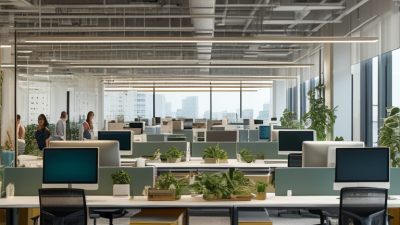
Creating a functional and flexible office layout is essential for modern workplaces. Start by assessing your team's needs. Open spaces promote collaboration, while quiet zones support focused work. Consider movable furniture that adapts to different tasks. Desks on wheels or modular seating can transform a space easily.
Lighting plays a significant role in office design. Natural light boosts productivity and morale. Position workstations near windows if possible. Alternatively, incorporate adjustable lighting to accommodate various activities. Technology should also be integrated seamlessly. Ensure that power outlets are readily accessible for all workstations.
Don’t overlook the importance of aesthetics. Color schemes, artwork, and plants contribute to a vibrant environment. However, balance is key. Overly bright colors can be distracting. Reflect on the purpose of each area and adjust designs accordingly. Flexibility may come with challenges, such as layout changes. Regularly soliciting feedback from employees can help address any discomfort or inefficiencies.
Incorporating Branding and Culture into Office Interior Designs
Incorporating branding and culture into office interior designs can profoundly impact employee engagement and productivity. Research from the Harvard Business Review indicates that workspace design influences employee behavior and well-being significantly. A thoughtful approach can transform sterile environments into vibrant, brand-reflective spaces, enhancing the company culture.
Consider using colors, materials, and layouts that resonate with your organization's values. For instance, open spaces can promote collaboration and innovation, while cozy nooks may support focus and solitude. According to a workplace survey by Gensler, 91% of employees feel that good design fosters a sense of belonging. However, organizations must regularly evaluate their designs to ensure they align with evolving cultural goals.
Reflecting on corporate values in design can also pose challenges. Inconsistent themes or overwhelming branding can confuse employees rather than inspire them. A balance is needed to ensure that designs remain functional. Regular feedback from staff can provide insights into their experiences. According to the American Society of Interior Designers, an adaptable space attracts talent and keeps employees engaged. Striking the right balance between brand and comfort encourages a thriving work culture.