Top 10 Trends in Commercial Office Interiors for a Modern Workspace?
In the rapidly evolving world of commercial office interiors, organizations are seeking innovative solutions. The modern workspace must balance aesthetics, functionality, and employee wellbeing. Companies are now prioritizing designs that foster collaboration while allowing for individual focus.
Recent trends show a shift towards sustainability and flexibility. Businesses are investing in eco-friendly materials and adaptable layouts. Natural light is becoming a staple in office designs, promoting a healthier atmosphere. Yet, as companies embrace these changes, there is still room for improvement. The challenge lies in integrating technology seamlessly without overwhelming the space.
Moreover, worker preferences are changing frequently. Employees desire environments that reflect their values and enhance productivity. As companies respond to these demands, they must acknowledge potential pitfalls. Overly ambitious designs can lead to impractical layouts. Therefore, a careful balance of creativity and functionality is essential in shaping the future of commercial office interiors.
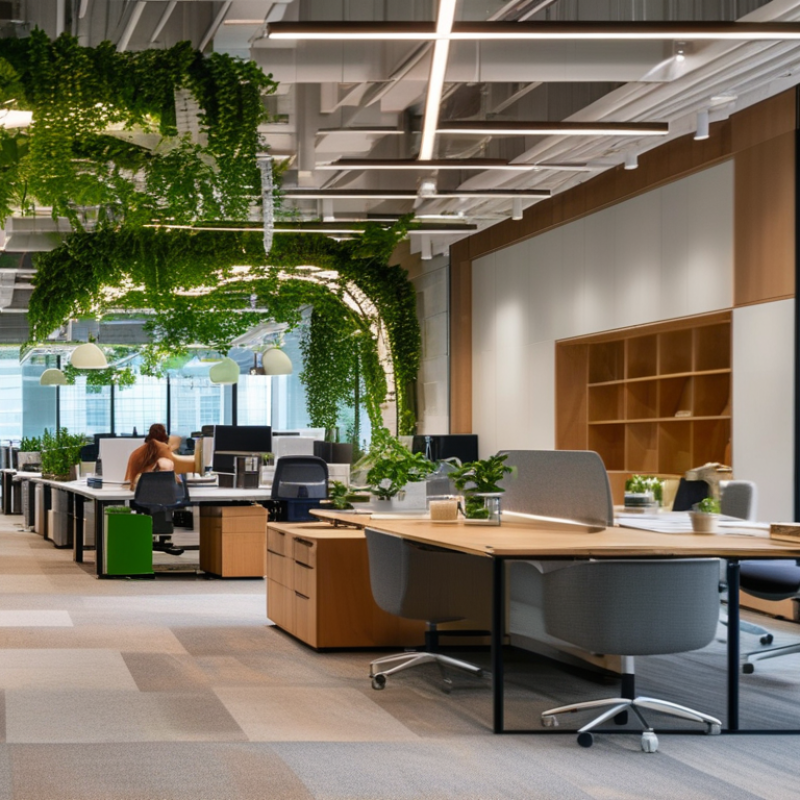
Emergence of Biophilic Design in Commercial Workspaces
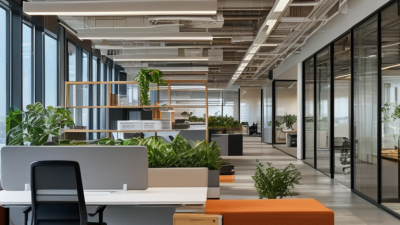
The rise of biophilic design in commercial workspaces reflects a shift towards enhancing employee well-being and productivity. According to a recent report, offices that incorporate natural elements can boost employee productivity by up to 15%. This design philosophy connects people with nature through the strategic use of plants, natural light, and organic materials.
Incorporating greenery doesn't just beautify a space; it enhances air quality and reduces stress levels. Studies show that indoor plants can lower anxiety levels by 37% and increase concentration by 30%. Yet, many companies struggle with implementing biophilic elements effectively. For instance, one study revealed that only 33% of office spaces utilize natural light optimally. Inefficient layouts or limited outdoor access can diminish the impact of this design approach.
Moreover, biophilic design isn’t just about adding a few plants. It requires a thoughtful integration of nature into design strategy. Companies must consider factors such as the placement of windows, choice of materials, and the overall layout. Many organizations are still learning how to harness these elements successfully. As the workplace evolves, understanding and refining these aspects will be critical for creating spaces that nurture both mind and body.
Integration of Smart Technology for Enhanced Collaboration
The integration of smart technology in commercial office interiors is revolutionizing how teams collaborate. A recent report by the International Data Corporation highlights that 70% of organizations are adopting smart office technologies. These tools foster productivity and connectivity in modern workspaces.
Smart tech enables real-time communication through devices that support video conferencing, augmented reality, and project management software. This heightened interactivity can lead to a 30% increase in collaborative efficiency. However, a gap remains in employee adaptation to these technologies, as 40% of workers report feeling overwhelmed by the tools available to them. This disparity raises questions about the effectiveness of these integrations.
Moreover, data shows that 65% of employees desire more training on these systems. This indicates a need for companies to enhance their onboarding processes. Failure to provide adequate support may hinder the potential benefits smart technology offers. The road ahead requires a balance between tech implementation and user comfort. Without this, businesses risk underutilization of powerful tools designed to streamline workflows.
Flexible Workspace Layouts Supporting Hybrid Work Models
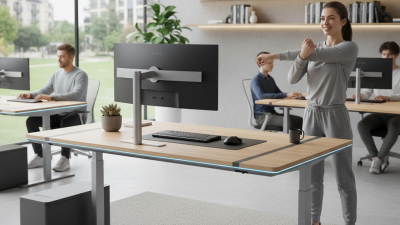
In today's evolving work environment, flexible workspace layouts are essential. Organizations are increasingly adopting hybrid work models. This shift allows employees to alternate between remote and in-office work. Such flexibility caters to diverse work styles and preferences, enhancing productivity and satisfaction.
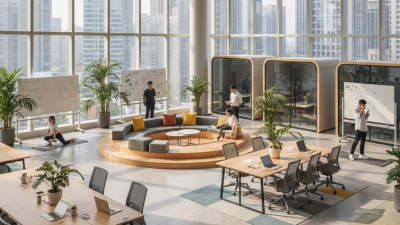
Designing these spaces requires thoughtful consideration. Open areas can foster collaboration but may also introduce distractions. Quiet zones are vital for focused tasks, yet they can feel isolating. Balancing these needs is complex. Incorporating movable furniture can help teams adapt quickly to changing demands. Natural light and biophilic elements improve mood and well-being.
However, this transition isn’t flawless. Employees might struggle with inconsistent routines. Clear communication is crucial; teams need to know when and where to meet. Managers must provide guidance. Feedback systems can ensure that layouts evolve with employee needs. Ultimately, the design must support both individual and group activities seamlessly.
Sustainable Materials and Eco-Friendly Practices in Interiors
The modern workspace increasingly prioritizes sustainable materials and eco-friendly practices. This trend reflects a growing awareness of environmental impact. Many offices are shifting to renewable materials like bamboo or recycled metal. These choices not only reduce waste but also promote health and well-being.
Integrating natural light into office design can enhance energy efficiency. However, achieving the perfect balance between light and workspace can be challenging. Some companies struggle with glare or insufficient illumination. Using energy-efficient windows helps, yet requires ongoing maintenance and careful planning.
Embracing biophilic design is another significant movement. Plants and natural elements contribute to a calming atmosphere. Despite the benefits, maintaining indoor plants can be time-consuming. Finding a sustainable way to care for greenery is essential. Ultimately, while the potential of eco-friendly interiors is clear, the implementation demands thoughtful consideration and adaptation.
Focus on Employee Well-Being and Mental Health in Office Design
Creating a modern workspace prioritizes employee well-being and mental health. Designers are now integrating natural elements, such as biophilic design, which connects people to nature. Plants, natural light, and organic materials reduce stress and enhance productivity. These features create a calming environment that fosters creativity and focus.
Flexible office layouts promote collaboration and personal space. Employees can choose where to work, whether in a quiet nook or a lively hub. This autonomy boosts morale. However, it requires careful planning to avoid overcrowding or noise distractions. Technology also plays a role. Integrating smart devices can optimize comfort and control lighting or temperature, contributing to a healthier workspace.
Despite these advancements, some challenges remain. Not all employees feel comfortable expressing their needs. Spaces must encourage open dialogue about mental health. Some designs may inadvertently isolate individuals, undermining the goal of community. Continuous feedback is essential for creating inclusive environments that genuinely support well-being.
Top 10 Trends in Commercial Office Interiors for a Modern Workspace
| Trend |
Description |
Benefits |
| Biophilic Design |
Incorporating natural elements into office spaces. |
Enhances productivity and reduces stress. |
| Flexible Workspaces |
Designing spaces that can be reconfigured for various tasks. |
Promotes collaboration and adaptability. |
| Wellness Areas |
Dedicated spaces for relaxation and mental breaks. |
Encourages mental health and reduces burnout. |
| Smart Technology |
Integration of IoT devices for better workspace management. |
Improves efficiency and comfort in the workspace. |
| Sustainability |
Use of eco-friendly materials and practices. |
Supports environmental responsibility and attracts talent. |
| Collaborative Spaces |
Open areas designed for teamwork and brainstorming. |
Fosters innovation and communication. |
| Acoustic Privacy |
Design features that minimize noise distractions. |
Enhances focus and productivity. |
| Color Psychology |
Using colors strategically to influence mood and behavior. |
Can improve creativity and reduce stress levels. |
| Remote Work Solutions |
Designs that support remote working capabilities. |
Enhances work-life balance and attracts talent. |
| Art and Culture Integration |
Incorporating local art and cultural elements in the design. |
Creates a unique identity and inspires employees. |