Top 10 Indoor WPC Wall Panel Benefits That Every Buyer Should Know?
Indoor WPC Wall Panels have emerged as a preferred choice for modern interior spaces. According to a recent report by MarketsandMarkets, the global wood plastic composite market is projected to reach $10.4 billion by 2026. This growth is driven by rising demand for sustainable building materials. Indoor WPC Wall Panels offer an attractive alternative to traditional wood, combining durability with aesthetic appeal.
These panels are designed to withstand moisture and resist pests, making them ideal for various climates. Furthermore, their ease of installation can reduce labor costs, a significant consideration in today's economy. Industry experts highlight that these panels are often manufactured from recycled materials, promoting eco-friendly practices. Buyers should consider these panels' resistance to fading, ensuring that they maintain their vibrant appearance over time.
However, not all Indoor WPC Wall Panels are created equal. Quality varies significantly across manufacturers, leading to potential pitfalls for uninformed buyers. Researching and selecting reputable brands is essential to ensuring long-term satisfaction and return on investment. Overall, understanding the benefits and intricacies of Indoor WPC Wall Panels will empower buyers to make informed choices that enhance their living or working environments.
Understanding WPC Wall Panels: Composition and Advantages
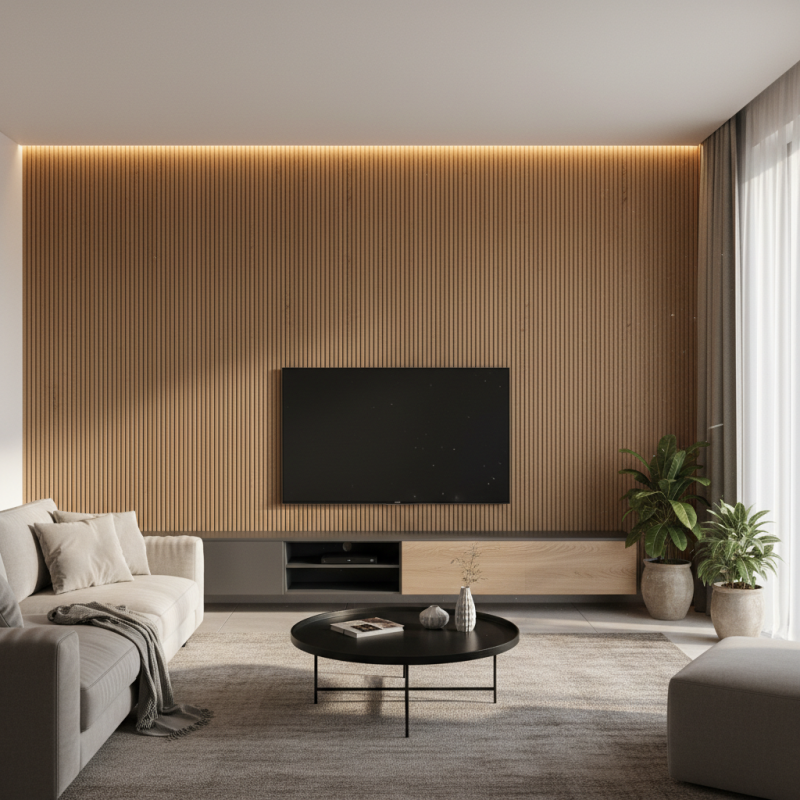
WPC wall panels, made from wood-plastic composites, offer a unique blend of durability and aesthetics. These panels consist of recycled wood fibers combined with thermoplastics. This combination creates a strong material, resistant to warping and decay. Homeowners appreciate this strength, especially in humid environments. The panels come in various colors and textures, allowing flexibility in design.
The benefits extend beyond visual appeal. WPC panels are lightweight, which simplifies installation. This can save both time and labor costs. They are also easy to maintain, requiring simple cleaning methods. Unlike traditional wood, these panels do not require regular painting or sealing.
However, potential buyers should be mindful of certain limitations. While WPC panels are water-resistant, they are not entirely waterproof. In areas with excessive moisture, proper ventilation is essential. Some may find the initial cost higher than traditional wall materials. It is crucial to weigh these factors before making a decision. Balancing aesthetics, functionality, and budget is important in the long run.
Durability and Weather Resistance of Indoor WPC Wall Panels
Indoor WPC wall panels are gaining popularity due to their durability and weather resistance. These panels are made from a combination of wood fibers and plastic, making them strong and long-lasting. They can withstand various indoor conditions, from humidity to temperature changes, without warping or cracking. This makes them an excellent choice for spaces that face frequent climate variations, such as kitchens and bathrooms.
In terms of weather resistance, WPC panels are designed to repel moisture effectively. Unlike traditional wood, these panels do not absorb water, which helps prevent mold and mildew growth. This feature is particularly beneficial in climate regions with high humidity. Moreover, their ability to resist fading from sunlight ensures that your indoor space retains its vibrant look. However, it is crucial to note that not all WPC panels are created equal. Potential buyers should carefully assess the quality and composition of the materials before making a purchase decision.
While WPC panels offer numerous advantages, they may not be the perfect solution for every setting. For instance, they might not provide the same aesthetic appeal as natural wood. Additionally, some products can be more expensive than conventional options. It's essential for buyers to weigh these factors against their specific needs and budget. Making an informed decision requires thorough research and understanding of what WPC panels can and cannot offer.
Aesthetic Versatility: Design Options for WPC Wall Panels
WPC wall panels offer impressive aesthetic versatility. Homeowners and designers appreciate the wide range of colors, textures, and finishes available. According to the Freedonia Group, the demand for interior wall paneling is predicted to reach $1.5 billion by 2025. This trend highlights the growing interest in customizable design options.
These panels can mimic natural materials like wood or stone. Homeowners can create a warm, inviting atmosphere without the high maintenance associated with real wood. Furthermore, they are lightweight, which eases installation.
A recent industry report notes that 35% of designers prefer WPC panels for their ability to enhance visual appeal while being environmentally friendly.
Despite their many advantages, some panels may not suit every space. The potential for scratches or fading exists in high-traffic areas. Therefore, careful selection is vital. Ensuring the chosen panels align with the overall design concept ensures a cohesive look. Remember, integrating WPC panels can redefine your space if chosen wisely.
Ease of Installation and Maintenance of WPC Wall Panels
WPC wall panels are an excellent choice for indoor spaces. They are lightweight and easy to handle, making installation straightforward. You won't need heavy tools. Just basic hand tools will do. This is great for DIY enthusiasts.
Maintenance is equally simple. Regular wiping with a damp cloth keeps the panels clean. Unlike traditional wood, they resist mold and moisture, meaning less wear and tear. You can enjoy your new wall without constant upkeep.
Tips: When choosing colors, think about your room's lighting. Lighter shades can make small spaces feel larger. Don't forget to measure your walls accurately before purchasing. Moreover, consider how the panels will blend with existing décor. Always take a moment to reflect on your choices and their long-term impact.
Remember, mistakes happen. You might misestimate your panel needs. It's okay to ask for help if you're unsure about the procedure. This might save you time and extra effort. Don't rush, as the final look is worth the patience.
Top 10 Indoor WPC Wall Panel Benefits
Cost-Effectiveness: Long-Term Savings with WPC Wall Panels
WPC wall panels are gaining popularity due to their cost-effectiveness. Using Wood Plastic Composite (WPC) can lead to significant long-term savings. Reports indicate that WPC panels can reduce installation costs by up to 30% compared to traditional materials. Their lightweight nature makes transportation easier, saving further on shipping costs.
Maintenance is another critical factor. WPC panels are resistant to mold, moisture, and pests. This resilience reduces the need for frequent repairs or replacements. According to industry analyses, homeowners can save an average of 15% annually on maintenance costs. Reduced upkeep not only translates to savings but also less stress for property owners.
However, it's essential to acknowledge that WPC's initial cost may be slightly higher than some alternatives. While this upfront expense can feel overwhelming, the long-term benefits often outweigh these concerns. Homeowners should evaluate the total lifecycle cost of materials rather than just the initial price. Adopting a broader perspective can lead to smarter investment choices in the long run.