What is a Pressure Backflow Preventer and How Does It Work?
In various industries, the integrity of water supply systems is paramount. A Pressure Backflow Preventer (PBVP) plays a crucial role in safeguarding potable water from contamination. According to the American Society of Sanitary Engineering, improper backflow can lead to serious health hazards. These hazards emphasize the importance of utilizing PBVPs effectively.
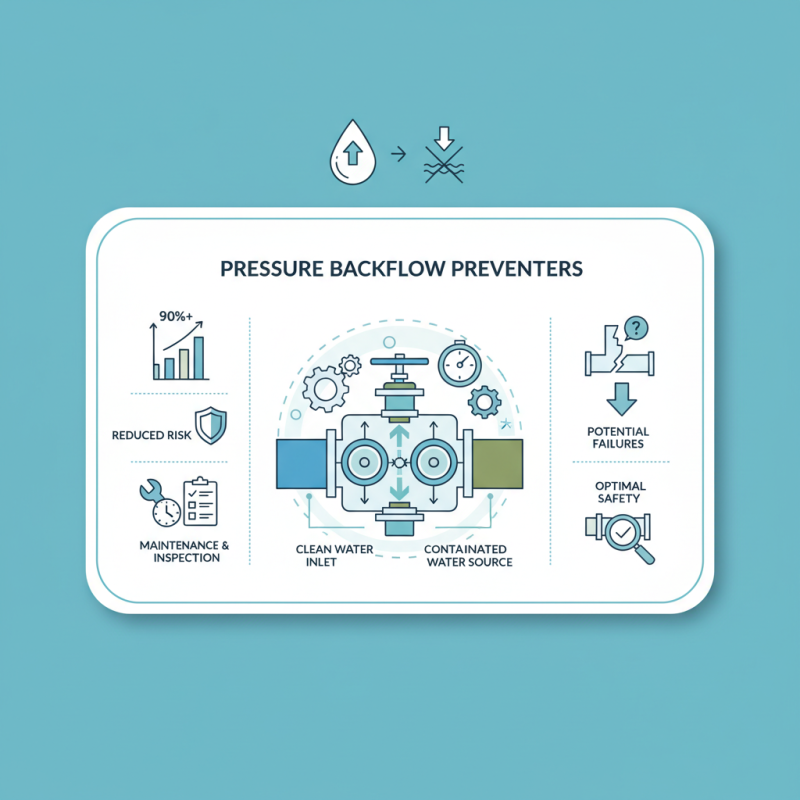
The mechanics of a Pressure Backflow Preventer are fascinating. When pressure changes in a plumbing system, this device activates, preventing contaminated water from flowing back into clean water supplies. Industry experts report that effective installation reduces the risk of backflow incidents by over 90%. This statistic highlights the necessity of understanding and implementing PBVPs.
Yet, it’s essential to recognize that not all installations are flawless. Maintenance and regular inspection of these devices can be overlooked, leading to potential failures. A considerable number of systems have not undergone recent evaluations, raising questions about their reliability. For optimal safety, ensuring that your Pressure Backflow Preventer is properly maintained is critical. This reflection pushes industry professionals to consider their approaches and the vital role of continuous improvement in water safety systems.
What is a Pressure Backflow Preventer?
A pressure backflow preventer is crucial for water safety in plumbing systems. It protects potable water from contamination caused by backflow. Understanding its function can help homeowners maintain a clean water supply.
These devices work by using a check valve. When water flows in the right direction, the valve remains open. However, if backpressure occurs, the valve closes, preventing dirty water from entering clean water lines. This mechanism is essential for public health.
**Tips:** Regular maintenance is key to ensure proper function. Inspect your preventer for wear and tear. If you notice any leaks, seek professional help immediately. Also, consider installing a backup device for added protection, especially in high-risk areas.
A backflow preventer may not be a common topic, but the implications of its failure can be severe. Homeowners often overlook this device. It is important to stay informed about its maintenance. Don't take water safety for granted.
Key Components of a Pressure Backflow Preventer
Pressure backflow preventers are critical in maintaining water quality in plumbing systems. These devices prevent contaminants from entering the clean water supply. Understanding their components is essential for effective installation and maintenance.
Key components of a pressure backflow preventer include the check valve, relief valve, and test ports. The check valve is designed to allow water to flow in one direction, preventing backflow. According to industry reports, nearly 40% of water contamination incidents stem from improper backflow prevention. The relief valve releases excess pressure to mitigate potential damage, ensuring system stability. Test ports allow for maintenance checks, which are vital in identifying potential failures.
Despite their importance, many installations lack proper regular testing. This oversight can lead to significant risks in water quality. An estimated 25% of preventers do not perform optimally due to insufficient maintenance. Regular inspections and updates are crucial to keeping these systems effective. Without this diligence, the consequences could be severe for public health and safety.
How Pressure Backflow Preventers Operate in Plumbing Systems
Pressure backflow preventers are essential components in plumbing systems. They prevent contaminated water from flowing back into clean water supplies. Understanding how they operate is crucial for maintaining safe water.
When water pressure drops in the plumbing system, backflow can occur. This is often due to high demand or a break in the main supply line. The pressure backflow preventer acts like a one-way valve. It ensures that water only flows in the intended direction. This is vital for preventing health risks associated with cross-connections. Without this device, potentially harmful substances could enter drinking water.
Installation and maintenance are key to effective functioning. Regular inspections should be part of any plumbing routine. Users should be educated about signs of failure. For instance, unusual fluctuations in water pressure can signal problems. Without proper care, even the best devices can malfunction. Awareness and proactive measures are essential in preserving water quality.
Industry Standards and Regulations for Backflow Prevention Devices
Backflow prevention devices are crucial for maintaining safe water systems. They prevent contaminated water from flowing back into clean water supplies. Various industry standards and regulations guide the use of these devices. Understanding these can help ensure compliance and safety in plumbing systems.
In the United States, the American Society of Sanitary Engineering (ASSE) sets standards for backflow prevention. Their guidelines outline the types of devices permitted in different applications. Also, local plumbing codes often have specific requirements based on the risk level of backflow. It’s essential for professionals to stay current with these regulations to avoid penalties.
Tips: Regular inspections of backflow devices are vital. Schedule these checks to ensure proper functionality. Also, educate staff about the importance of backflow prevention. Awareness can lead to quick identification of potential issues. Failure to comply with standards can result in contamination risks. So, keep documentation of all maintenance and inspections to demonstrate compliance.
Benefits of Using Pressure Backflow Preventers in Water Safety
Pressure backflow preventers are essential devices in water safety systems. They protect drinking water from contamination. When water flows backward, pollutants can enter the clean supply. Backflow can happen due to pressure changes in the plumbing system. By maintaining proper pressure, these preventers keep water safe for everyone.
Using pressure backflow preventers has many benefits. They help ensure that public health standards are met. Homes and businesses can feel secure knowing their water is protected. Installing these devices is a crucial step in maintaining water quality. They can also reduce the risk of costly damage from backflow incidents. Many might overlook their importance until it’s too late.
However, regular maintenance is key to their effectiveness. Neglect can lead to failures that compromise safety. Periodic checks help ensure these devices are functioning properly. While they offer significant protection, they are not foolproof. Understanding their limitations can lead to better water safety practices. Discussions among professionals can enhance awareness of best practices for using these preventers.