China Top Corporate Office Design Trends for Modern Business Needs?
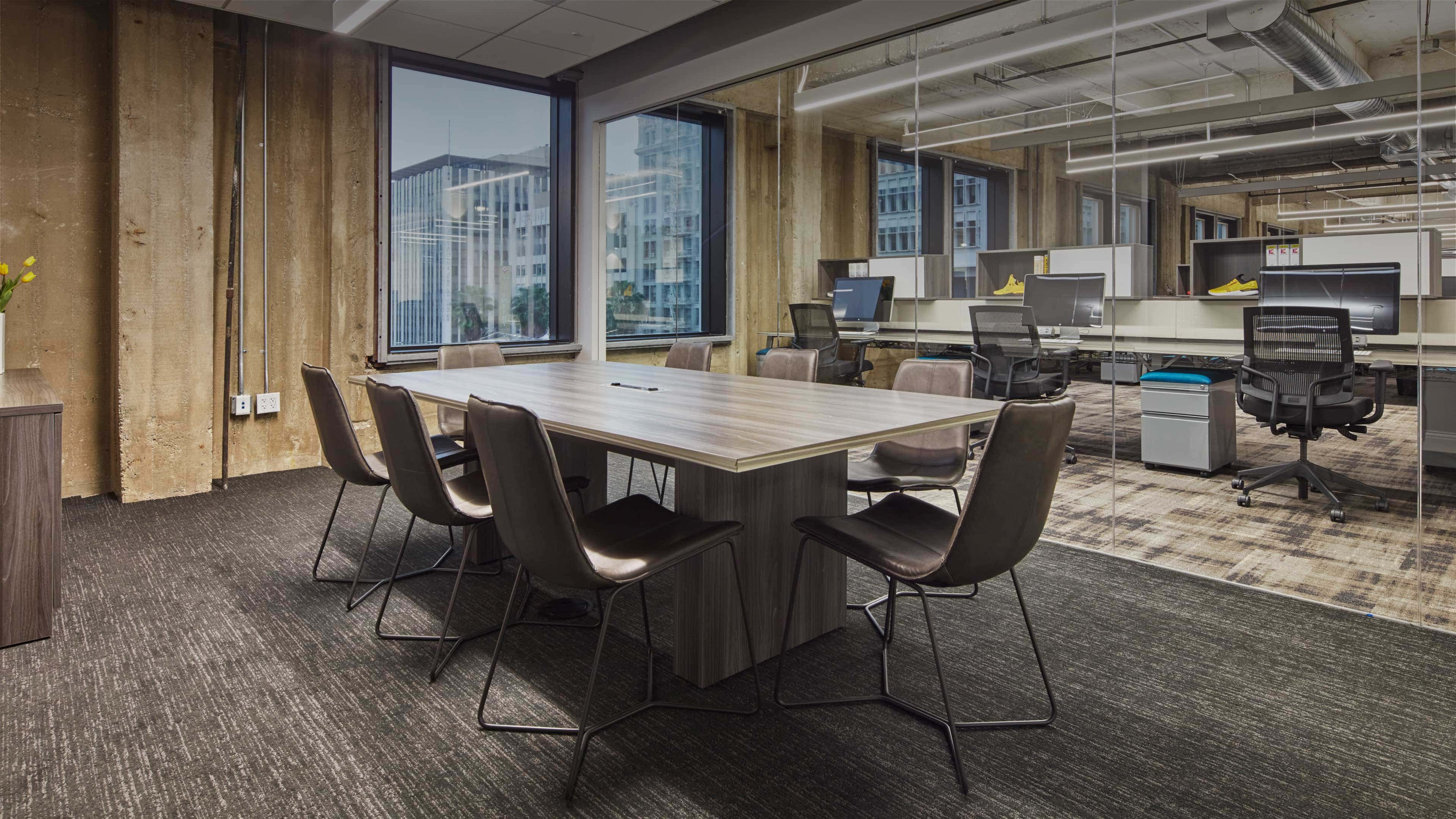
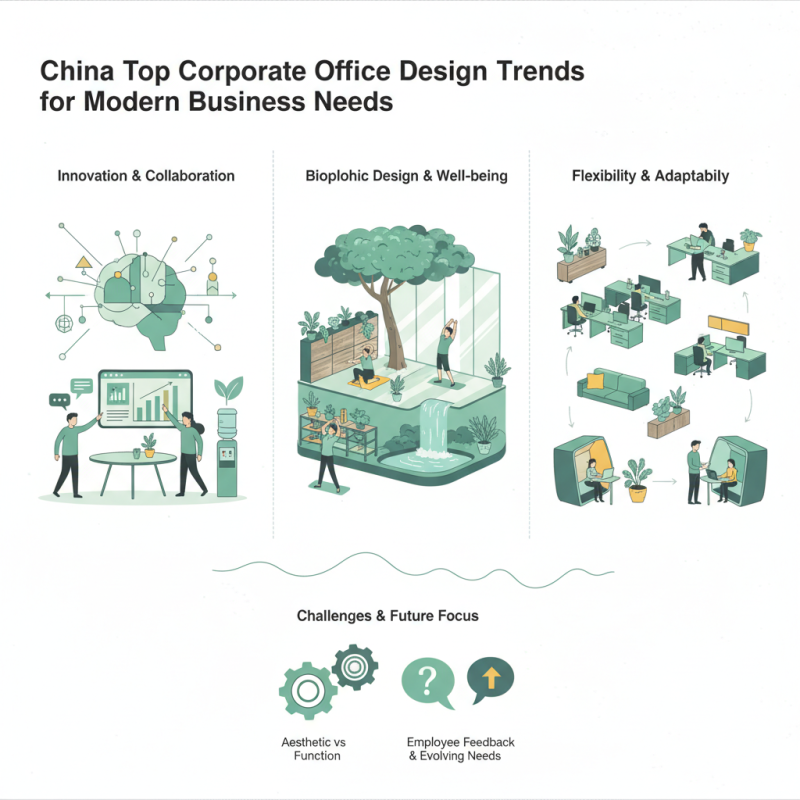
In recent years, corporate office design has undergone significant transformations, particularly in China. Modern businesses are increasingly seeking innovative spaces that foster creativity, collaboration, and well-being. This shift reflects broader changes in work culture and employee expectations. Office environments now prioritize flexibility and adaptability to meet diverse work styles.
Chinese companies have embraced open spaces, integrating nature into their designs. Biophilic design promotes employee health and increases productivity. However, not all companies have successfully navigated these changes. Some struggle with balancing aesthetic appeal and functional need. A poorly designed office can hinder collaboration rather than enhance it.
Exploring the current trends in corporate office design reveals both successes and challenges in this evolving landscape. Organizations must remain attentive to their employees' feedback and changing needs. This ongoing dialogue is essential for creating truly effective workspaces.
Emerging Concepts in Corporate Office Design for Modern Needs
Emerging concepts in corporate office design are reshaping the workplace landscape in China. As businesses adapt to modern needs, innovative designs focus on flexibility and collaboration. According to a recent report by CBRE, 67% of companies now prioritize open spaces that foster teamwork. This shift reflects a growing recognition that collaboration boosts creativity and productivity.
Sustainability has become a crucial element in office design. Companies are increasingly seeking eco-friendly materials and energy-efficient systems. A study by the Global Sustainability Institute found that 75% of employees prefer working in green buildings. Features like natural lighting and indoor greenery are trending, enhancing employee well-being. However, implementing these designs can be costly, necessitating careful budget allocation.
Another significant trend is the integration of technology. Smart office solutions, such as IoT devices, enhance the workplace experience. Data from the International Facility Management Association indicates that companies investing in technology can see a 30% increase in operational efficiency. Nevertheless, the rapid pace of technological change can leave some businesses struggling to keep up. It’s vital to balance innovation with employee training and infrastructure updates.
China Top Corporate Office Design Trends for Modern Business Needs
Integrating Technology and Innovation in Office Spaces
Modern office designs in China are increasingly focusing on technology and innovation. These elements are crucial for creating workspaces that foster productivity and collaboration. Integrating smart technologies can enhance employee experience. For example, adjustable lighting and temperature systems can be controlled via smartphones. Flexible workstations allow for personalized environments.
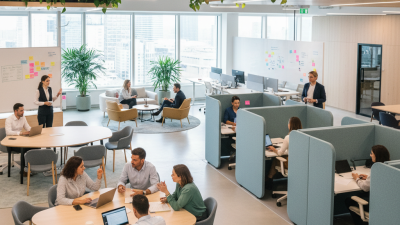
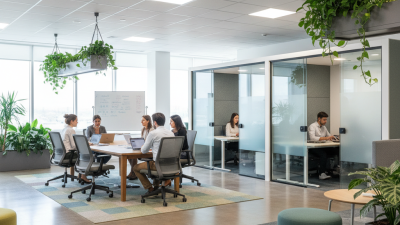
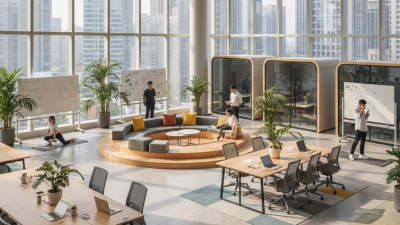
Emphasizing innovation, companies are incorporating open layouts with designated zones. This design encourages teamwork while providing quiet areas for focused work. However, these trends present challenges. Not all employees thrive in collaborative spaces. Some require more privacy for deep thinking. Thus, achieving the right balance is essential.
Technology also impacts aesthetics. Digital displays and interactive walls are becoming common. These features not only exhibit brand values but also keep employees informed. Yet, over-reliance on screens can lead to distractions. It's vital to maintain a human touch in these tech-driven spaces. Employers must continuously evaluate the effectiveness of these designs over time.
Sustainable Design Practices for Corporate Environments
Sustainable design practices in corporate environments are increasingly important. Companies now understand the impact of their spaces on both employees and the planet. An eco-friendly office should incorporate natural materials, energy-efficient systems, and biophilic design. These elements create a healthier workspace and promote employee well-being.
Consider using recycled materials for furniture and fixtures. This choice reduces waste and supports eco-conscious manufacturing. Large windows maximize natural light, decreasing reliance on artificial illumination. Plants can enhance air quality while adding a touch of nature to the interior.
Here are some tips to implement sustainable practices:
1. Always choose energy-efficient lighting. LED options are widely available and cost-effective.
2. Incorporate flexible workspaces to reduce the need for additional square footage. This not only saves resources but also adapts to employee needs.
3. Engage employees in sustainability efforts. Host workshops to gather ideas and encourage collective action. Building a culture around sustainability can lead to innovative solutions.
While striving for sustainability, businesses face challenges. Balancing aesthetics with eco-friendly choices requires thoughtful consideration. It's essential to reflect on the long-term impact of design decisions. A conscious approach leads to a workspace that's not only functional but also responsible.
China Top Corporate Office Design Trends for Modern Business Needs
| Trend |
Description |
Sustainability Aspect |
Impact on Employees |
| Biophilic Design |
Incorporating natural elements into office spaces. |
Reduces stress and enhances well-being. |
Improves creativity and productivity. |
| Open Space Layouts |
Flexible open areas that encourage collaboration. |
Maximizes space efficiency and reduces construction waste. |
Fosters communication and teamwork. |
| Smart Office Technology |
Integration of IoT devices for optimized workspace functionality. |
Enhances energy efficiency through smart systems. |
Improves work efficiency and employee satisfaction. |
| Sustainable Materials |
Use of recycled and eco-friendly materials in construction and furnishings. |
Reduces carbon footprint. |
Creates a healthier work environment. |
| Flexible Workspaces |
Designs that accommodate different work styles. |
Maximizes resource use and reduces the need for excess space. |
Enhances work-life balance for employees. |
The Role of Flexibility and Adaptability in Office Layouts
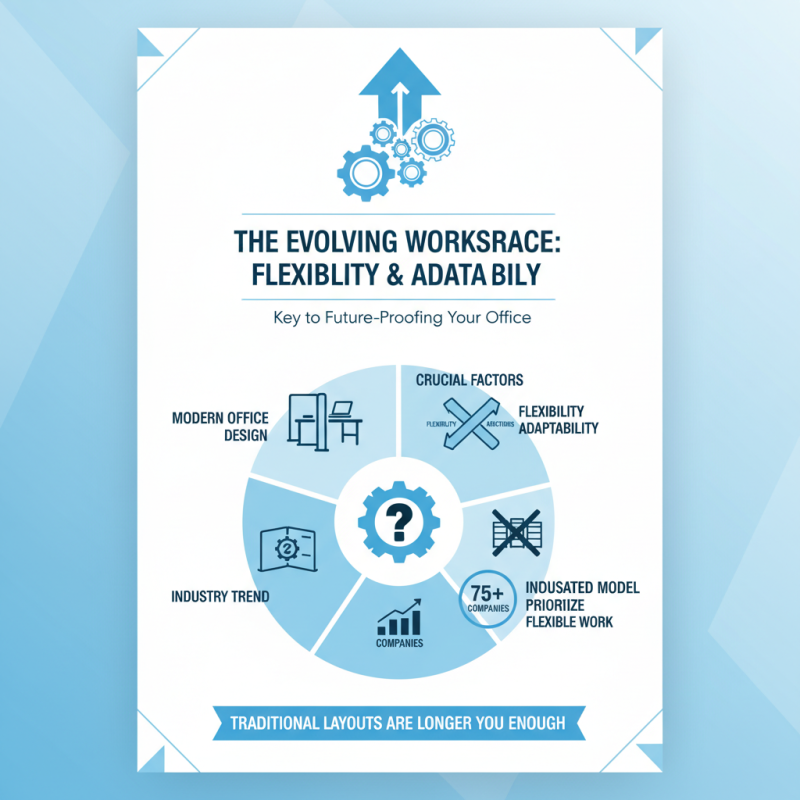
The modern workspace is rapidly evolving. Flexibility and adaptability are becoming crucial in office layouts. A recent report from the Global Workspace Association notes that over 75% of companies prioritize flexible work environments. This shift highlights a growing trend where traditional office designs no longer suffice.
Open spaces and modular furniture allow swift adjustments to team sizes and collaboration needs. The need for agile environments is critical. According to a Harvard Business Review study, companies with adaptable workspaces see a 25% boost in employee productivity. Yet, challenges remain. Some employees feel disoriented in open layouts. Others miss the focus that fixed spaces provide. Striking a balance is essential.
As businesses embrace hybrid models, office designs must accommodate both in-person and remote workers. The design must adapt to various work styles, encouraging communication while maintaining privacy. Reports suggest that 40% of employees prefer quiet zones for concentrated tasks. Addressing these diverse needs requires innovative strategies. Flexibility in design can enhance satisfaction and efficiency, yet careful planning is vital to avoid potential pitfalls.
Enhancing Employee Well-Being through Thoughtful Design Choices
In today's fast-paced corporate landscape, thoughtful office design plays a crucial role in enhancing employee well-being. Open spaces foster collaboration, but too much openness can lead to distractions. Balancing private areas with communal spaces is vital. Areas for quiet work allow employees to focus, while lounges encourage social interaction. Each type of space should be intentional and purposeful.
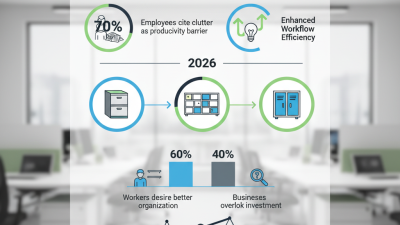
Incorporating natural elements also improves workplace satisfaction. Greenery can reduce stress and increase creativity. However, excessive clutter can detract from this calming effect. Each desk should have space for personal items, but a clutter-free environment is essential. Proper lighting is another key factor. Natural light boosts mood, while harsh overhead lighting can lead to fatigue. Designing with both aspects in mind promotes a healthier atmosphere.
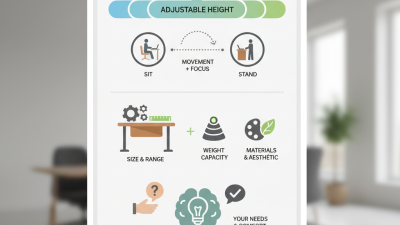
In the quest to improve well-being, it's easy to overlook ergonomics. Ensuring that furniture supports health is necessary, yet not all solutions are perfect. Some might find they need additional support, while others may struggle with adjustment. Gathering employee feedback on design choices can lead to better adaptations. Constantly refining the workspace ensures it aligns with ever-evolving employee needs.